

Yes
He should.
No
He shouldn’t.
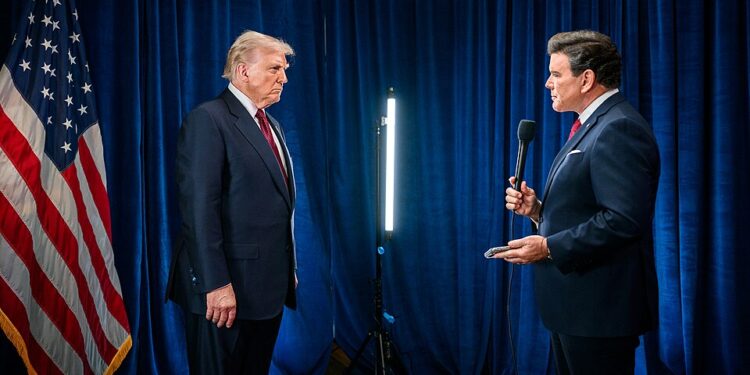
Political rhetoric has long been part of American elections, and colorful nicknames are nothing new in Washington. President Donald Trump has become especially known for using memorable labels and sharp criticism when referring to political opponents. One term that has generated attention is his use of the word “Dumocrats” when discussing Democratic lawmakers and party leaders.
Supporters argue that political branding has always been a powerful communication tool. They believe the nickname reflects frustration with Democratic policies and helps highlight differences between the two parties. Many Trump supporters see the language as part of his direct and unconventional style, which they believe helped him connect with voters who were tired of traditional political messaging.
Critics, however, argue that such language contributes to division and makes it harder for elected officials to work together on important issues. They contend that Americans are looking for solutions to challenges such as inflation, border security, government spending, and foreign policy, rather than personal attacks or political insults.
Political observers note that strong rhetoric often energizes a candidate’s base while potentially turning away undecided voters. The effectiveness of this strategy has been debated for years, with some analysts saying it strengthens support among loyal voters while others believe it can distract from policy discussions.
The question ultimately comes down to how Americans view political communication. Should leaders use blunt language to emphasize their disagreements, or should they focus on a more traditional style of political debate?
With the 2026 election cycle continuing to take shape, many voters are weighing whether this type of rhetoric helps or hurts the national conversation.