

Yes
I do.
No
I don’t.
Immigration and border security remain major issues in American politics, and President Donald Trump is once again drawing a sharp contrast between his administration and the Democratic Party.
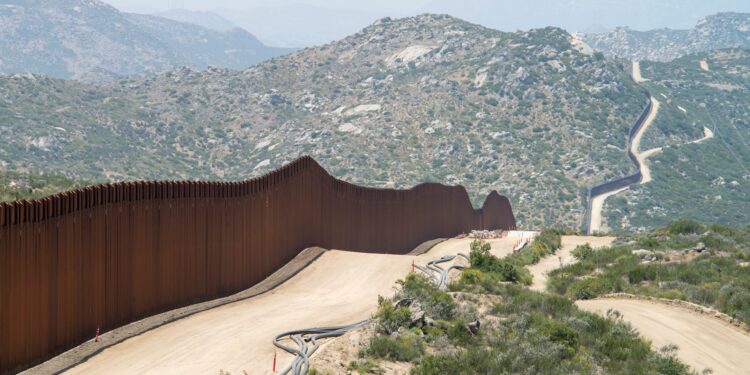
Trump has repeatedly argued that his administration’s approach to immigration is necessary to maintain control of the southern border and enforce existing immigration laws. He has also warned that Democrats would reverse many of his policies if they regain political power. During his 2026 State of the Union address, Trump went even further, claiming that Democrats would “open up those borders” if they were elected. Democrats, meanwhile, generally reject the characterization that their immigration policies amount to supporting an open border.
The disagreement represents a much larger debate over what America’s immigration system should look like. Republicans have generally emphasized stronger enforcement, deportations of people who are in the country illegally, additional resources for immigration authorities, and restrictions intended to discourage unlawful crossings. Democrats have generally called for a combination of border enforcement and changes to the legal immigration and asylum systems.
For voters, the question is not simply about what politicians are saying today. It is also about what could happen after future elections. Immigration policies can change significantly depending on which party controls Congress and the White House, making border security an important consideration for many Americans when they cast their ballots.
Trump believes his policies have produced a stronger and more secure border, and he is warning voters that those policies could be reversed under Democratic leadership.
Others argue that the president’s description of Democratic immigration policy is too broad and that supporting different immigration policies does not necessarily mean supporting completely unrestricted borders.
That leaves Americans to decide which argument they find more convincing.