

Yes
I do.
No
I don’t.
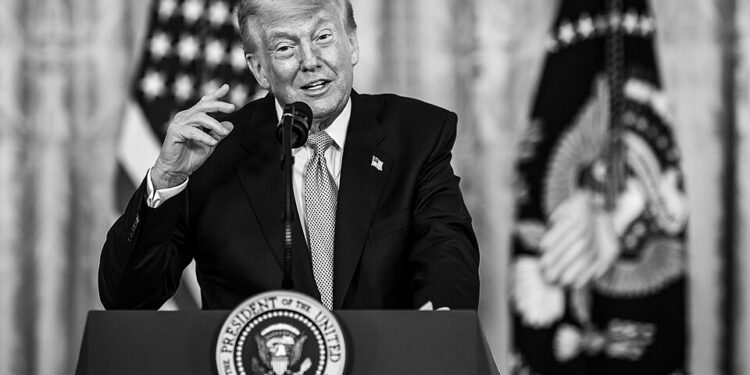
President Donald Trump is criticizing congressional Democrats over their warnings of potential investigations and accountability measures involving members of his administration, including Attorney General Todd Blanche.
The disagreement has emerged following the 2026 midterm elections, which gave Democrats control of Congress and expanded their ability to investigate the executive branch.
Trump has accused Democratic lawmakers of improperly threatening administration officials with investigations, impeachment, and other consequences for their government service.
The president believes that such actions could represent an inappropriate use of congressional authority, particularly if investigations are intended to punish officials because of political disagreements rather than evidence of wrongdoing.
Blanche has also criticized Democrats’ statements about their plans to investigate the administration, raising concerns about the language being used before the incoming Congress begins its work.
The controversy highlights a longstanding debate over the appropriate relationship between the Department of Justice, the White House, and Congress.
The attorney general is responsible for overseeing the Justice Department, enforcing federal laws, and supervising federal law enforcement activities. Although the attorney general is appointed by the president, the department is also expected to carry out its responsibilities in accordance with the law.
Congress, meanwhile, possesses broad oversight powers that allow lawmakers to examine federal agencies, request information, conduct hearings, and investigate possible misconduct.
Democrats argue that these powers are essential for ensuring transparency and accountability, regardless of which political party controls the White House.
From their perspective, scrutinizing Justice Department decisions and other administration activities can be a legitimate exercise of congressional responsibility.
Critics of the Democrats’ approach, however, question whether aggressive investigative promises made in a highly partisan environment could undermine public confidence in the fairness of government institutions.
They argue that federal officials should be evaluated based on their actions and whether those actions comply with the law, rather than their political affiliations.
Another important distinction involves the difference between legitimate congressional oversight and threats intended to intimidate public officials. Determining where that boundary lies can become particularly contentious when the White House and Congress are controlled by opposing parties.
The dispute also raises questions about how lawmakers should communicate their intentions when announcing investigations and whether public warnings about potential consequences are appropriate before evidence has been examined.
As the confrontation develops, Americans are being asked to consider whether Democrats are exercising necessary oversight authority or taking their criticism of the administration too far.