

Yes
He has.
No
He hasn’t.
Political polarization has become one of the defining characteristics of modern American politics. Democrats and Republicans frequently disagree not only on policy issues but also on broader questions about leadership, culture, and the direction of the country.
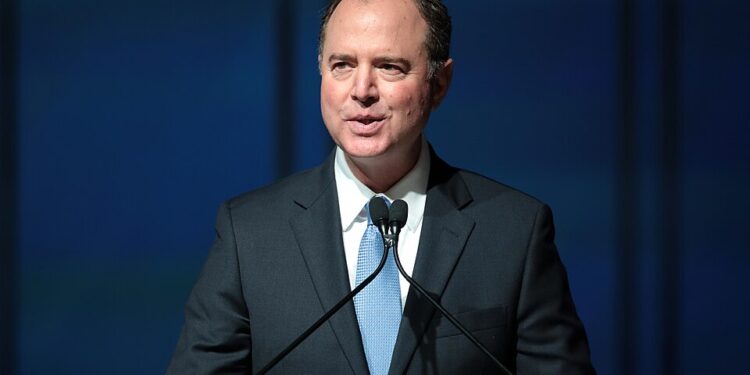
Recently, comments from Democratic leaders, including Rep. Adam Schiff, have renewed debate about whether President Donald Trump has contributed more to national division than former President Barack Obama. The claim has sparked discussion among voters on both sides of the political spectrum.
Supporters of Trump argue that he has challenged entrenched institutions, confronted issues many Americans felt were being ignored, and energized voters who believed their concerns were not being represented in Washington. They contend that political division did not begin with Trump and that broader cultural and political trends have contributed to increasing polarization for many years.
Critics argue that Trump’s rhetoric, campaign style, and approach to political opponents have intensified existing divisions and made bipartisan cooperation more difficult. They point to ongoing disputes over elections, immigration, media coverage, and cultural issues as evidence of growing political tensions.
Meanwhile, defenders of Obama note that he sought to build consensus on several major issues, while critics of Obama argue that partisan divisions increased significantly during his presidency as well. As a result, many Americans disagree about which administration had a greater impact on political polarization.
The broader question reflects ongoing concerns about trust in institutions, media influence, and the increasingly partisan nature of public debate in the United States.