

Yes
It is.
No
It isn’t.
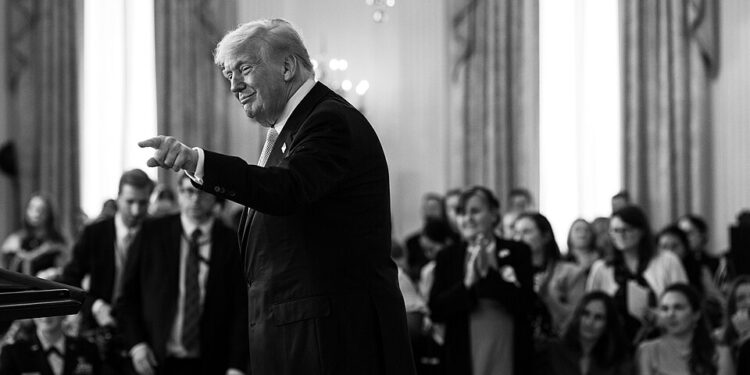
President Donald Trump is once again pushing for tighter control over sensitive government information, with renewed discussions surrounding nondisclosure agreements for federal employees. The proposal has sparked strong reactions from both supporters and critics as debates over transparency, loyalty, and national security continue to intensify in Washington.
Supporters of the idea argue that federal workers often have access to highly sensitive information involving national defense, intelligence operations, internal investigations, and policy discussions that should never be leaked to the public or political opponents. Many conservatives believe nondisclosure agreements are a reasonable step to protect government integrity and prevent politically motivated leaks that could undermine the administration or damage America’s interests abroad.
Trump allies have repeatedly pointed to past leaks involving classified information, private White House discussions, and ongoing federal investigations as evidence that stronger accountability measures are necessary. They argue that private companies regularly require confidentiality agreements from employees, and the federal government should be held to similar standards — especially when national security is involved.
Critics, however, say broad nondisclosure agreements could discourage whistleblowers from exposing corruption or misconduct inside government agencies. Opponents also worry that such policies could create fear among federal workers and limit transparency in a democratic system.
The issue arrives at a time when trust in federal institutions remains deeply divided across the country. Many Americans continue to debate whether unelected government officials should face stricter oversight and loyalty requirements under the Trump administration.
For supporters, the proposal represents accountability and professionalism. For critics, it raises concerns about free speech and government transparency.
As the discussion grows nationwide, voters are being asked whether President Trump’s proposal is a fair and necessary safeguard — or an overreach that could silence legitimate concerns inside government agencies.