

Yes
He should.
No
He shouldn’t.
Large wildfires have become an ongoing challenge in several parts of Europe, including France and Spain, particularly during periods of extreme heat and dry weather. These fires can threaten communities, damage forests, disrupt tourism, and require significant emergency response efforts.
The United States has a long history of cooperating with allies during natural disasters by providing specialized equipment, aircraft, firefighters, or humanitarian assistance when resources are available. Supporters of international cooperation argue that helping allies during emergencies strengthens diplomatic relationships and demonstrates global leadership.
Others believe the federal government should prioritize domestic preparedness and ensure American resources remain available for wildfire seasons across the United States. States such as California, Oregon, Washington, Arizona, and others regularly experience severe wildfire conditions that require substantial federal support.
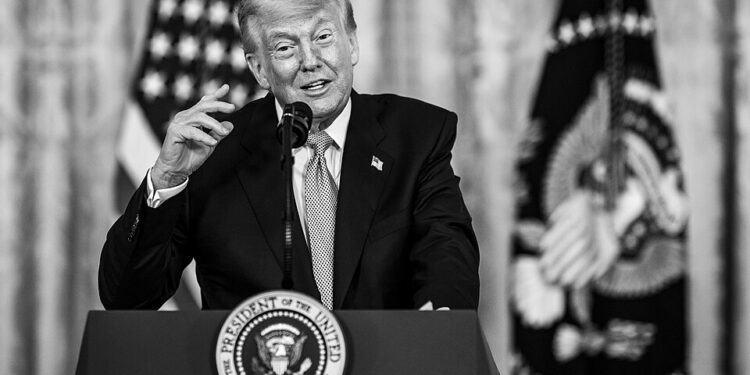
President Donald Trump could face decisions regarding whether to authorize assistance if allied nations request additional help. The question raises broader debates about America’s role in international disaster response and how to balance support for allies while maintaining readiness for emergencies at home.
Many Americans believe the U.S. should help friendly nations whenever possible, while others believe assistance should only be provided if it does not reduce America’s ability to respond to domestic disasters.