

Yes
I do.
No
I don’t.
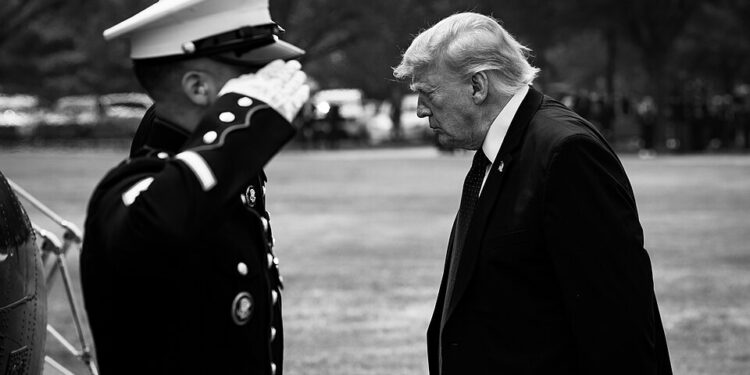
President Donald Trump has made rebuilding American military strength a central theme of his political leadership, frequently arguing that his administration has taken important steps to strengthen national defense, improve military readiness, and restore confidence in the United States Armed Forces.
As commander in chief during his second presidential term, Trump continues to emphasize military modernization, national security, support for service members, and the importance of maintaining a powerful defense system. His broader political message contrasts his approach with the policies pursued under former Presidents Barack Obama and Joe Biden.
Trump and his supporters argue that previous Democratic administrations made decisions that weakened America’s military capabilities, whether through defense spending priorities, international agreements, or approaches to global security challenges.
Supporters of the president believe his emphasis on military investment, weapons modernization, border security, and a stronger international negotiating position has helped reinforce America’s national defense posture. They also argue that a powerful military serves as a deterrent against potential adversaries and protects American interests overseas.
Critics, however, question whether military performance can be fairly judged through partisan comparisons alone. They point out that military budgets, personnel policies, equipment development, and strategic planning often span multiple presidential administrations.
Major defense programs can take many years to develop and implement, meaning decisions made under one president may produce results during another president’s term. Congress also plays a significant role in authorizing military spending, establishing defense priorities, and providing oversight.
Another major issue involves how Americans define military strength. Some consider defense spending and weapons capabilities the most important measurements. Others emphasize military recruitment, troop readiness, veterans’ services, international partnerships, and the ability to avoid unnecessary conflicts.
These different perspectives help explain why discussions about American military leadership frequently generate passionate reactions across political lines.
With national security remaining an important concern for American voters, questions about the effectiveness of military policy under Trump, Obama, and Biden continue to deserve careful examination.