

Yes
He should.
No
He shouldn’t.
Immigration continues to rank among the nation’s most closely watched political issues, and demonstrations involving U.S. Immigration and Customs Enforcement (ICE) frequently draw national attention. Some protests remain peaceful and focus on immigration policy, while others have led to clashes with law enforcement or disruptions that receive widespread media coverage.
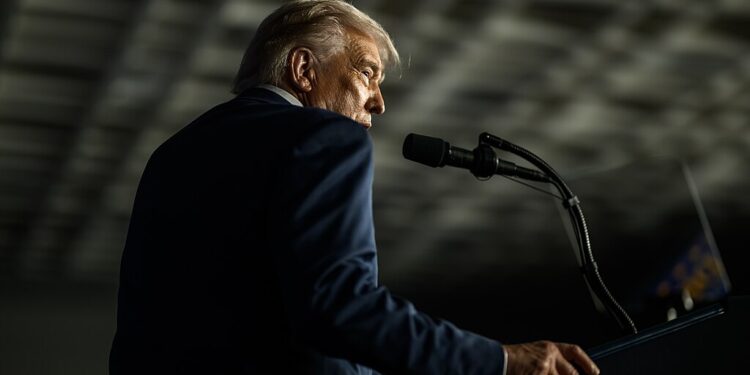
President Donald Trump has repeatedly emphasized stronger immigration enforcement and border security, making the issue one of the defining priorities of his administration. Supporters argue that federal immigration officers should be allowed to carry out their duties safely and without interference. They also believe governments should respond firmly to unlawful behavior, including vandalism, assaults, or attempts to obstruct law enforcement operations.
Others argue that peaceful demonstrations are protected by the First Amendment and represent an important part of American democracy. Legal experts generally note that while governments may regulate the time, place, and manner of protests, broad bans on peaceful demonstrations would likely face significant constitutional challenges in the courts. Actions involving violence, property destruction, or other criminal conduct, however, are already prohibited under existing laws.
As debates over immigration enforcement continue, questions surrounding public safety, free speech, and constitutional rights are expected to remain central to the national discussion. Voters continue to express strong opinions on both sides of the issue.