

Yes
They should.
No
They shouldn’t.
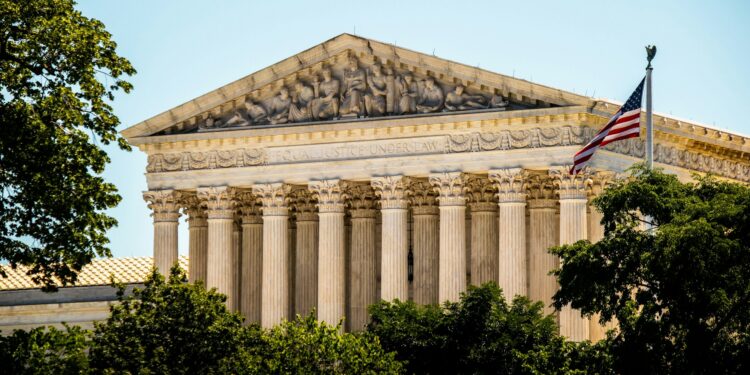
President Donald Trump is continuing his effort to challenge the long-standing interpretation of birthright citizenship in the United States. His administration has asked the U.S. Supreme Court to revisit the issue after lower court rulings blocked executive actions aimed at limiting automatic citizenship for children born to parents who are in the country illegally or temporarily.
Supporters argue that the 14th Amendment was never intended to grant automatic citizenship to everyone born on American soil regardless of their parents’ legal status. They believe the Supreme Court should clarify the Constitution and determine whether current immigration policies have expanded birthright citizenship beyond its original meaning.
Opponents maintain that more than a century of legal precedent supports automatic citizenship for nearly everyone born in the United States. They warn that changing the interpretation could create legal uncertainty for millions of families and fundamentally alter one of America’s oldest constitutional principles.
The issue has become one of the most closely watched legal battles over immigration and constitutional law. Whatever the Supreme Court ultimately decides could have lasting consequences for future generations and immigration policy nationwide.