

Yes
I do.
No
I don’t.
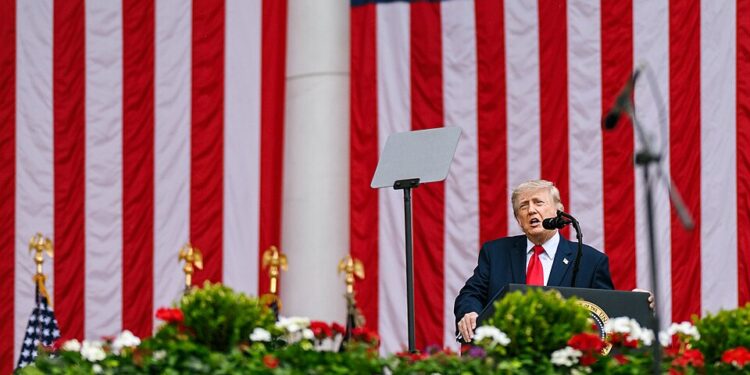
President Donald Trump is making the case that the American economy is performing strongly under his administration, putting economic growth and prosperity at the center of his message to voters.
The economy remains one of the biggest issues facing Americans, especially as families continue watching the cost of groceries, gasoline, housing, insurance, utilities, and other everyday necessities. While national economic statistics can provide one picture of the country’s financial health, many voters ultimately judge the economy by what they see happening with their own paychecks, savings accounts, retirement plans, and monthly bills.
Recent government data shows that the U.S. economy has continued growing. According to the Bureau of Economic Analysis, real gross domestic product increased at an annual rate of 1.5% during the second quarter of 2026, following 2.1% growth during the first quarter. Consumer spending, investment, and exports contributed to second-quarter growth.
Those numbers provide ammunition for the Trump administration as the president argues that his economic agenda is producing results.
However, economic growth does not necessarily mean every American feels financially better off. The cost of living, interest rates, wages, job security, housing affordability, and household debt can all influence how voters perceive the economy. Someone whose investments or business are performing well may have a very different assessment from a family struggling with higher monthly expenses.
That makes the debate about America’s economy about more than a single statistic.
Trump and his supporters can point toward continued economic growth and other positive indicators. Critics can argue that Americans should judge the administration by whether those gains are translating into noticeable improvements in household finances.
Ultimately, voters will decide which argument better reflects their own experience.