

Yes
He does.
No
He doesn’t.
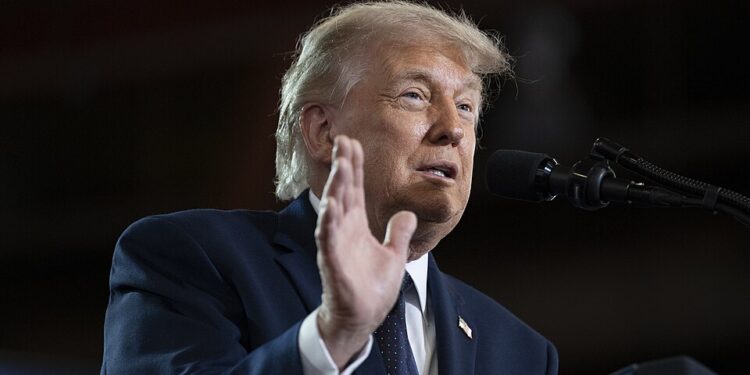
As the 2026 midterm elections approach, President Donald Trump remains a central figure in American politics. Although Trump himself is not running for office in this year’s congressional elections, his leadership, policies, and political agenda are influencing discussions about which party should control the United States Congress.
The November 3, 2026, elections will determine control of the U.S. House of Representatives and several Senate seats, along with numerous state and local offices across the country.
For Republican candidates, President Trump’s record and political priorities are important campaign issues. Many GOP candidates support his administration’s approach to immigration, border security, government spending, energy production, economic growth, and federal regulations.
Supporters of President Trump believe that electing more Republicans to Congress would help advance his legislative priorities and allow his administration to pursue its policy goals with fewer obstacles.
They argue that a Republican-led Congress could provide the cooperation needed to implement important changes and fulfill promises made during Trump’s presidential campaign.
Democrats, however, are making a different argument to voters. They believe the midterm elections offer Americans an opportunity to evaluate the president’s performance and strengthen congressional oversight of the executive branch.
Democratic candidates are focusing on issues such as affordability, healthcare, economic security, government accountability, and the impact of the administration’s policies on everyday Americans.
Independent voters may play an especially important role in determining the election’s outcome. Many Americans do not consistently support either major political party and instead make decisions based on individual candidates, economic conditions, and specific policy proposals.
For some voters, the election will serve as a referendum on President Trump’s performance since returning to the White House in January 2025.
Others may focus primarily on their local congressional candidates, believing that individual experience, leadership ability, and community priorities matter more than national political disagreements.
The stakes are significant because congressional control can affect federal spending, legislation, investigations, and the president’s ability to enact his agenda.
As Election Day approaches, Americans across the political spectrum are evaluating the direction of the country and deciding which candidates best represent their priorities.