

Yes
I do.
No
I don’t.
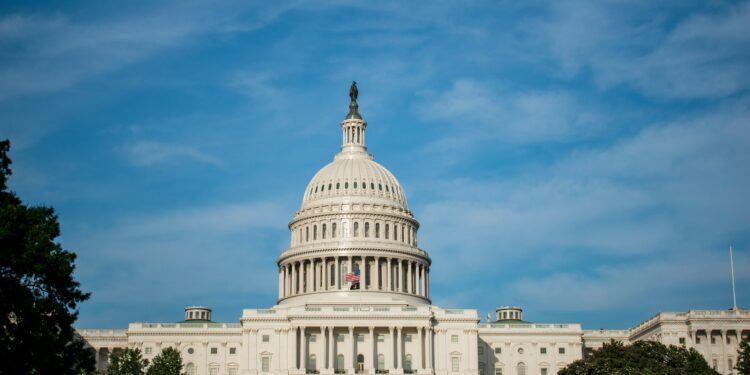
Trust in America’s political institutions remains one of the most important issues facing the country. With President Donald Trump leading the executive branch and Congress responsible for writing federal laws, Americans are continually evaluating which elected officials they believe are best equipped to address the nation’s challenges. This raises an important question: Do voters place more confidence in President Trump or in the United States Congress?
Trump has built much of his political identity around challenging established Washington practices and promising to change how the federal government operates. Throughout his time in politics, he has criticized government bureaucracy, political gridlock, and lawmakers he believes prioritize party interests over the needs of ordinary Americans.
Supporters of President Trump often describe his leadership approach as direct and decisive. They appreciate his willingness to confront political opponents, pursue controversial policies, and push for changes involving immigration enforcement, international trade, federal spending, and national security. For these voters, Trump’s approach offers an alternative to the lengthy negotiations and compromises frequently associated with Congress.
Others believe Congress provides an essential balance to presidential authority. The legislative branch includes elected representatives from every state and congressional district, giving communities a voice in national decision-making. Congressional oversight, public hearings, budget negotiations, and legislative debates are fundamental parts of America’s constitutional system.
However, Congress also faces criticism over partisan disagreements, delayed legislation, government funding disputes, and the difficulty of reaching bipartisan agreements. These challenges can make it harder for Americans to evaluate whether their representatives are effectively addressing pressing concerns.
Public confidence in government institutions is influenced by many factors, including economic conditions, leadership performance, transparency, and political affiliation. Recent national surveys have continued to highlight Americans’ concerns about political leadership and the direction of the country.
As the 2026 midterm elections approach, questions about trust and accountability have become especially relevant. Voters must consider not only the president’s performance but also the responsibilities of the House of Representatives and Senate.