

Yes
They should.
No
They shouldn’t.
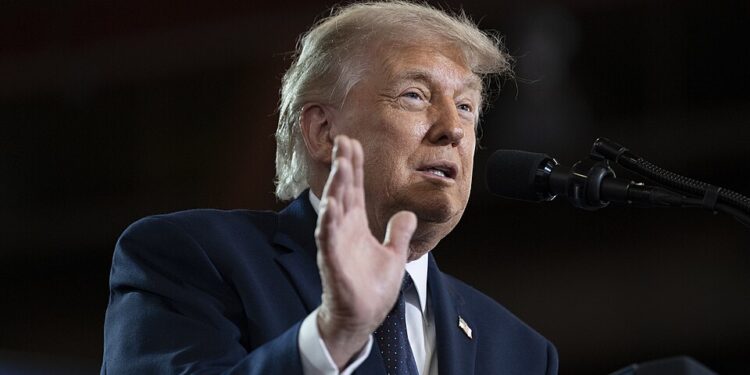
Mail-in voting has once again become a major political and legal issue as President Donald Trump pushes changes involving how the United States Postal Service handles ballots used in federal elections.
Trump signed an executive order in March 2026 directing the Postal Service to begin a rulemaking process involving mail-in and absentee ballots. Among other provisions, the administration sought requirements involving Official Election Mail markings, standardized ballot envelopes, tracking technology and Intelligent Mail barcodes. The White House described the changes as measures intended to strengthen election integrity and improve the security and tracking of ballot mail.
The Postal Service subsequently developed new ballot-mail procedures. USPS officials have said that their responsibility is to process and deliver election mail while complying with applicable federal law and court orders. The Postal Service also maintains detailed procedures designed to help election officials properly prepare, identify, track and transport ballots through the mail system.
But Trump’s proposed changes have faced significant legal challenges.
Federal judges blocked portions of the administration’s mail-ballot requirements, including regulations involving Postal Service approval of ballot envelope designs and information states would provide through a federal ballot-mail portal. Litigation over the administration’s authority reached the Supreme Court, making the issue about more than election policy alone. It also raised broader questions about presidential authority, federalism and the traditional power of states to administer elections.
That distinction is important when discussing whether USPS should “obey” Trump’s rules. Like other federal entities, the Postal Service must follow lawful federal requirements, but presidential directives can also be reviewed and restricted by federal courts. USPS said in September that work related to certain verification procedures had been conducted consistent with court orders.
Supporters of stricter ballot-mail standards argue that tracking systems, standardized procedures and verification requirements could increase confidence in election security and make ballots easier to trace through the postal network.
Critics argue that complicated new requirements, particularly when introduced close to an election, could create administrative problems or interfere with otherwise valid ballots.
With mail voting continuing to play an important role in elections across the country, the dispute raises a fundamental question about how election security, voter access, state authority and federal oversight should be balanced.