
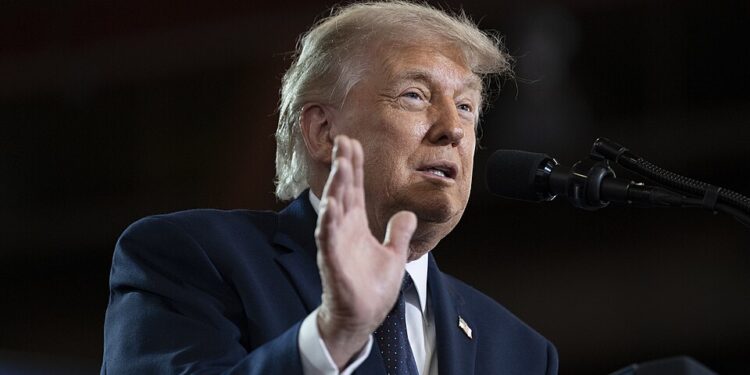
Could one of President Donald Trump’s longest-serving political allies be preparing to chart his own path?
That’s the question many Republicans are asking after Sen. Ted Cruz took the unusual step of endorsing candidates running against Trump-backed contenders in two major GOP gubernatorial runoff elections.
The move is fueling fresh speculation about Cruz’s future ambitions and whether he is quietly laying the groundwork for a potential White House campaign in 2028.
Cruz Breaks With Trump-Endorsed Candidates
The Texas senator recently endorsed Georgia businessman Rick Jackson in the state’s June 16 Republican runoff election. Jackson is facing Lt. Gov. Burt Jones, who has received President Trump’s endorsement.
Just days later, Cruz also endorsed South Carolina Attorney General Alan Wilson in his June 23 runoff race against Trump-backed Lt. Gov. Pamela Evette.
While Republican leaders occasionally differ on endorsements, it remains rare for a prominent national figure with possible presidential ambitions to openly support candidates opposing Trump’s preferred choices.
That reality has made Cruz’s endorsements impossible to ignore.
Cruz Praises Conservative Values
When announcing his support for Jackson, Cruz highlighted the candidate’s story of overcoming adversity.
According to Cruz, Jackson rose from the foster care system through faith, hard work, and determination to become a successful businessman.
The senator argued that Jackson understands the challenges facing working Americans and believes economic freedom—not bigger government—is the key to prosperity.
Cruz described Jackson as a proven fighter capable of leading Georgia through difficult times.
His endorsement of Wilson followed a similar theme.
Cruz praised the South Carolina attorney general as a strong constitutional conservative who has spent years defending families, protecting individual liberties, and standing against liberal policies.
According to Cruz, Wilson possesses the leadership qualities needed to serve as governor and advance conservative priorities.
Is Cruz Positioning Himself For 2028?
The timing of these endorsements has sparked considerable discussion among political observers.
Cruz has steadily increased his national profile through media appearances, public speeches, a popular podcast, and a nationally syndicated radio program.
Many Republicans believe he is carefully positioning himself for another presidential run after his 2016 campaign.
By supporting candidates in key battleground states, Cruz may also be strengthening relationships with influential Republican leaders ahead of the next presidential cycle.
South Carolina, in particular, remains one of the most important early states in Republican presidential politics.
Growing Differences Inside The Conservative Movement
The endorsements are not the only signs that Cruz has been willing to separate himself from other influential figures.
In recent months, he has publicly criticized commentator Tucker Carlson over foreign policy issues and support for Israel.
Those disagreements have highlighted growing debates within the conservative movement about America’s role overseas, national security, and the future direction of the Republican Party.
Now, Cruz’s decision to back candidates running against Trump-endorsed rivals has added another layer to those discussions.
Political Risk Or Smart Strategy?
There is no question that opposing Trump’s preferred candidates carries risk.
For years, Trump’s endorsements have served as one of the most powerful forces in Republican primary elections. Many candidates view his support as a major advantage with GOP voters.
That is why some Trump allies are openly questioning Cruz’s approach.
One source familiar with White House thinking reportedly suggested that challenging the president’s influence in Republican primaries may not be the most effective strategy for someone considering a future presidential campaign.
Still, Cruz appears confident in his decision.
Whether these endorsements ultimately strengthen his standing within the Republican Party or create friction with Trump’s supporters remains to be seen.
What is becoming increasingly clear, however, is that Ted Cruz is demonstrating a willingness to make independent political moves—even when they put him on the opposite side of President Trump’s endorsement machine.
As the race toward 2028 slowly begins to take shape, Republican voters will be watching closely to see what happens next.