
U.S. military forces delivered a powerful new blow to Iran this week, targeting critical missile systems near the Strait of Hormuz—one of the most important oil routes in the world. The move comes as global energy prices surge and concerns grow over how the conflict could impact American families.
According to U.S. Central Command (CENTCOM), American forces used multiple 5,000-pound bunker-buster bombs to destroy hardened Iranian anti-ship missile sites along the coastline. These advanced weapons are specifically designed to penetrate underground and heavily fortified targets before detonating.
Officials say the mission was aimed at eliminating immediate threats to international shipping—and preventing further disruption to global oil supplies.
Why This Matters To Americans Right Now
This isn’t just a distant military conflict. What’s happening in the Strait of Hormuz could directly impact your wallet.
- The region handles about 20% of the world’s oil supply
- Oil prices have already surged over 40%
- Gas prices are climbing across the United States
For retirees and Americans on fixed incomes, rising fuel and energy costs can quickly strain household budgets. Heating, transportation, groceries—everything becomes more expensive when oil prices spike.
Shipping Disruptions Raise Global Alarm
Since the conflict began earlier this month, commercial traffic through the Strait of Hormuz has dropped sharply.
Before the crisis:
- 100–135 ships passed daily
Now:
- Significantly fewer vessels are making the journey
- Multiple ships have reportedly been attacked
- Some routes are being avoided entirely
This slowdown is creating ripple effects across global supply chains—pushing prices higher not just for fuel, but for everyday goods.
Iran Escalates Threats Against Oil Flow
Iran has taken an aggressive stance, warning that it may block oil shipments entirely to the United States and its allies.
If that happens, the consequences could be severe:
- Even higher gas prices
- Increased inflation
- Greater instability in global markets
The situation has raised serious national security concerns, as control of the strait remains one of the most powerful economic pressure points in the world.
Trump Calls Out NATO Allies
President Donald Trump is not holding back when it comes to America’s allies.
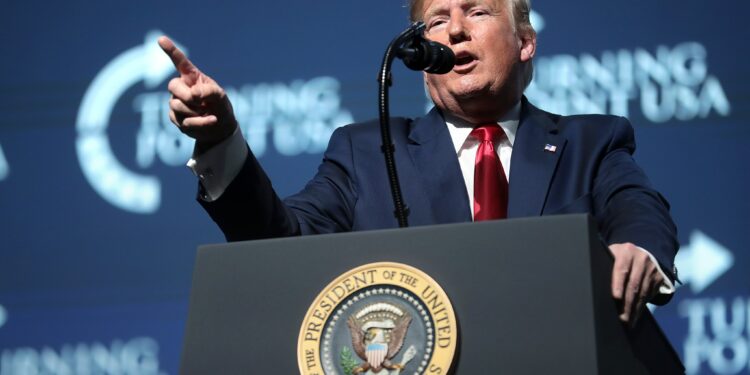
Speaking from the Oval Office, Trump criticized NATO nations for failing to step up during the crisis.
“I think NATO is making a very foolish mistake,” Trump said. “We don’t need them—but they should have been there.”
The president has pushed for allied nations to help escort oil tankers and secure the waterway, but so far, no major commitments have been made.
For many Americans, this raises an important question: Can the U.S. rely on its allies in a real global emergency?
Strategic Strikes Signal Strong U.S. Response
This latest operation follows earlier U.S. strikes on Kharg Island, a critical hub for Iran’s oil exports.
Notably, Trump chose not to target Iran’s oil infrastructure—at least for now—suggesting a calculated approach that balances strength with restraint.
However, analysts say that could change quickly if Iran continues to threaten shipping lanes or escalate attacks.
What Could Happen Next?
The situation remains highly volatile, with several possible outcomes:
- Increased U.S. military action
- Rising global oil prices
- Expanded conflict in the Middle East
- Greater pressure on American consumers
For now, one thing is clear: what happens in the Strait of Hormuz won’t stay there—it will be felt at gas pumps and grocery stores across America.
Bottom Line
President Trump is taking decisive military action against Iran while warning allies to step up. But as tensions rise, the biggest question for many Americans is simple:
How much higher will prices go—and how long will this last?