
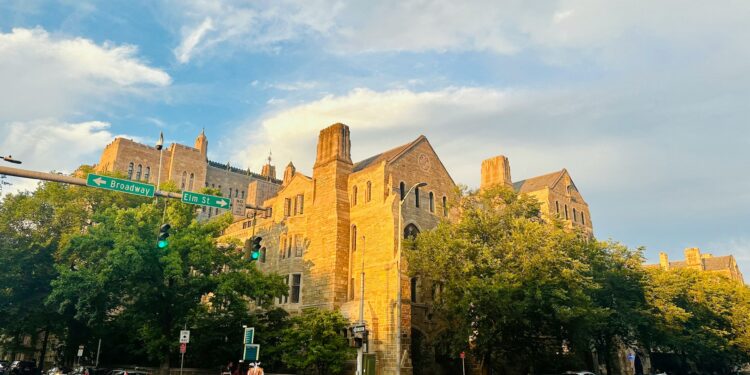
A growing controversy at Yale University is raising a serious question for millions of Americans:
Should taxpayer dollars fund elite universities that host deeply controversial political figures?
Now, Sen. Rick Scott is urging Donald Trump and Congress to take action—potentially cutting off federal funding to the Ivy League institution.
Why This Yale Controversy Is Exploding Nationwide
The backlash began after a student-run group at Yale invited left-wing streamer Hasan Piker to speak at an upcoming campus event.
The event, titled “End the American Empire,” has sparked outrage among conservatives who argue that universities are increasingly promoting radical viewpoints—while still receiving billions in taxpayer support.
For many Americans, especially retirees and working families, the issue hits close to home:
👉 Why should federal tax dollars support institutions that host speakers with a history of extreme rhetoric?
The Comments That Sparked Outrage
Piker is no stranger to controversy.
- He previously made a shocking remark suggesting that if Republicans cared about Medicare fraud, “you would kill Rick Scott.”
- He also faced backlash for a past statement saying “America deserved 9/11”—a comment he later tried to walk back.
The first incident led to a temporary suspension from Twitch, where Piker has built a massive following.
While he later apologized, critics say the pattern of rhetoric is deeply troubling—especially when amplified by prestigious universities.
Rick Scott Calls for Action
Senator Scott didn’t hold back.
After learning about the event, he publicly blasted Yale and questioned why institutions tied to federal funding would host such a figure.
He also pointed out the double standard many conservatives see:
- Strong consequences for right-leaning voices
- Continued promotion of controversial figures on the left
Scott warned that Congress may need to step in, raising the possibility of tying federal funding to accountability standards.
Free Speech—or Taxpayer Abuse?
Yale responded by defending its commitment to free expression, emphasizing that student organizations invite speakers independently.
But for many Americans, that explanation isn’t enough.
Critics argue:
- Universities still benefit from federal funding
- Their brand gives legitimacy to speakers
- Taxpayers ultimately help support the platform
This raises a bigger issue now gaining traction across the country:
👉 Where should the line be drawn between free speech and taxpayer responsibility?
What Trump Could Do Next
While no official action has been announced, pressure is mounting on President Trump and Republican lawmakers to take a closer look at federal funding for elite universities.
Potential next steps could include:
- Congressional hearings on campus speech
- Reviews of federal education funding
- New rules tying funding to institutional accountability
If momentum builds, this Yale controversy could become a turning point in the national debate over higher education and taxpayer dollars.
Why This Story Matters to You
For Americans over 50—many of whom spent decades paying into the system—this issue is about more than campus politics.
It’s about:
- How your tax dollars are spent
- What values are being promoted in education
- Whether elite institutions are truly accountable
As this debate unfolds, one thing is clear:
The fight over America’s universities is no longer just academic—it’s political, financial, and deeply personal.