
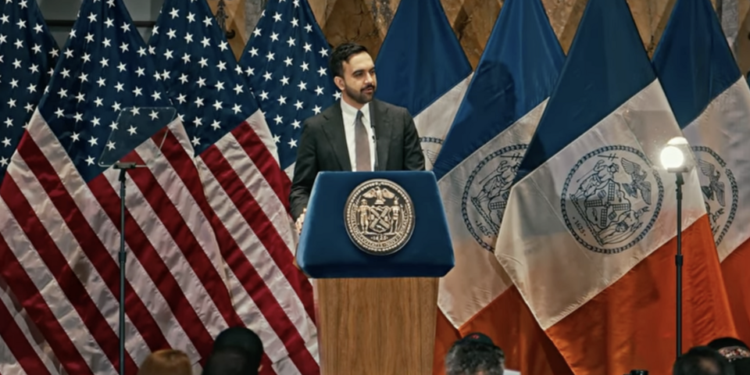
New York City Mayor Zohran Mamdani is facing growing criticism over a controversial decision that could bring an end to one of America’s most recognizable traditions, leaving hundreds of workers worried about their jobs, family businesses, and financial futures.
Mamdani, the democratic socialist mayor who has clashed politically with President Donald Trump, has reached an agreement with City Council Speaker Julie Menin to eliminate the historic horse-drawn carriage industry in New York City.
The proposed ban would take effect on June 1, 2028, potentially ending a tradition that has been part of the city for more than 160 years.
While animal rights activists are celebrating the announcement, longtime carriage operators say the decision could devastate families who have invested decades of hard work and substantial amounts of money into their businesses.
The controversy is raising broader questions about government authority, small business protections, and the future of American traditions.
Mamdani Takes Aim At Historic Central Park Tradition
For generations, horse-drawn carriages have been an iconic part of New York City’s Central Park.
Millions of visitors have traveled to Manhattan over the years, with many enjoying the traditional carriage rides through one of America’s most famous parks.
The attraction has survived economic challenges, changing city administrations, and repeated attempts by politicians to shut it down.
Now, Mamdani’s administration could succeed where previous city leaders failed.
Under the agreement announced with Menin, the New York City Council is expected to vote on legislation that would prohibit horse-drawn carriage operations beginning in June 2028.
The proposal, called Romanch’s Law, follows the death of 18-year-old Romanch Mahajan, who suffered fatal injuries during a horse-drawn carriage accident in June.
The tragedy renewed public safety concerns and intensified demands from animal welfare organizations to eliminate the industry.
However, carriage operators argue that the actions of individual businesses and isolated accidents should not automatically justify shutting down an entire profession.
For many workers, the decision represents far more than the possible disappearance of a tourist attraction.
It threatens their financial security and a tradition that has supported generations of families.
Business Owner Warns Of Nearly $400,000 Investment At Risk
One of the strongest objections has come from business owners who have invested substantial personal savings into operating legally within New York City.
Frank Riccobono, the owner and manager of NYC Horse Carriage Rides, told Fox News Digital that the proposed restrictions could cause significant financial damage.
Riccobono owns 12 horses and three carriages and has spent more than two decades working in the industry.
His father previously worked in the same profession for 47 years.
According to Riccobono, he purchased a carriage medallion for nearly $400,000.
These medallions authorize business owners to operate horse-drawn carriage services in New York City.
If the proposed ban becomes law, Riccobono fears that his investment could lose much of its value.
He also warned that the proposed legislation does not guarantee reimbursement for affected business owners.
The issue has become especially concerning for workers who expected their businesses to provide retirement income.
Some owners have spent decades building their livelihoods around these operations, purchasing equipment, caring for animals, and maintaining their legal operating permits.
Losing the ability to continue operating could create financial challenges extending well beyond the scheduled closure date.
Hundreds Of Workers Could Lose Their Livelihoods
The economic consequences could affect approximately 200 carriage drivers, according to figures cited in reporting about the proposal.
Many workers have dedicated much of their professional lives to the industry.
Some come from families with multiple generations of experience raising horses and operating carriages.
Others have invested years developing the skills necessary to care for animals while safely transporting passengers through busy city streets.
Mamdani and Menin have promised to support workers during the transition to other employment.
However, carriage operators say important questions remain unanswered.
Among their concerns are whether the city will provide adequate financial compensation, whether replacement jobs will offer comparable income, and what will happen to workers approaching retirement.
Christina Hansen, a veteran carriage driver and Transport Workers Union Local 100 shop steward, has criticized the handling of the proposed closure.
Hansen told Fox News Digital that workers feel excluded from decisions directly affecting their futures.
She has also questioned whether the city has adequately considered the financial difficulties facing families who depend on carriage operations.
For longtime employees, finding another profession could prove especially difficult after decades of specialized work.
Animal Rights Groups Support Mamdani’s Decision
Despite criticism from carriage owners, the proposal has received strong support from animal welfare advocates.
Organizations pushing to end the industry argue that horses should not be required to operate in crowded urban environments.
They have raised concerns involving heavy traffic, extreme weather conditions, animal health, and accidents involving frightened horses.
Videos showing horses collapsing or escaping into busy streets have increased public scrutiny of the industry.
Supporters of the ban believe removing carriage horses from city streets would reduce risks to animals, passengers, and pedestrians.
The fatal accident involving Romanch Mahajan has also become central to the debate.
Advocates contend that stronger restrictions are necessary to prevent another tragedy.
However, carriage owners dispute the suggestion that the entire industry mistreats animals.
Riccobono maintains that his horses receive veterinary care and that responsible operators take their animals’ health seriously.
Industry representatives argue that enforcing existing animal welfare and safety regulations could address concerns without eliminating jobs.
The competing arguments have created a difficult policy debate involving public safety, animal protection, and economic security.
What Will Happen To The Horses?
Another major question involves the future of the horses currently working in New York City.
Under the proposed legislation, carriage owners would reportedly be allowed to keep, sell, or transfer their horses, subject to restrictions intended to prevent slaughter or continued commercial carriage work elsewhere.
City officials anticipate that some animals could eventually be placed in rescue facilities or sanctuaries.
However, industry representatives have warned that caring for retired horses requires significant financial resources.
Horses need ongoing veterinary attention, proper nutrition, shelter, and adequate space.
These expenses can continue for many years after an animal stops working.
Hansen has expressed concern that the city has not established guaranteed funding to cover the animals’ retirement costs.
Without financial assistance, she argues, some owners could face difficult choices about how to provide long-term care.
The issue underscores the complexity of eliminating an industry involving living animals rather than simply closing conventional businesses.
Mamdani Faces Questions About Government Overreach
The controversy has also renewed debate about the relationship between local government and privately owned businesses.
Critics believe the proposal raises legitimate concerns about what happens when officials decide that a longstanding, legally operating industry should no longer exist.
Carriage operators have invested money under regulations established by the city.
Now, some argue, those investments could be substantially undermined by a change in public policy.
Supporters of the ban counter that governments routinely update regulations to address changing safety standards and public expectations.
They maintain that longstanding practices should not be exempt from scrutiny simply because they have existed for generations.
For small business owners, however, the central issue is whether government should provide meaningful financial protections when regulatory changes eliminate established sources of income.
The outcome could influence future discussions about business licensing, compensation, and municipal authority.
Previous New York City Mayor Tried Similar Ban
Mamdani is not the first New York City leader to target horse-drawn carriages.
Former Mayor Bill de Blasio previously supported eliminating the industry after taking office in 2014.
His administration explored proposals to replace traditional horse-drawn carriages with vintage-style electric vehicles.
Those efforts ultimately failed to produce a comprehensive ban.
The latest agreement between Mamdani and Menin represents a significant development because it establishes a specific proposed deadline and has support from City Council leadership.
Still, the legislation must complete the approval process before the planned restrictions can become law.
Carriage operators have indicated that they intend to continue challenging the proposal.
What Happens Next For New York City?
The New York City Council is expected to vote on the legislation on October 22, 2026.
If approved and enacted, the proposed ban would take effect on June 1, 2028.
That would give carriage operators less than two years to prepare for the possible end of their businesses.
City officials have promised to consider the needs of workers, but questions surrounding financial assistance, compensation for business investments, and long-term animal care remain unresolved.
The debate is likely to continue as industry representatives seek stronger protections and animal welfare advocates push for the proposed closure.
For Mamdani, the issue represents a significant test of his administration’s approach to balancing competing public interests.
For carriage owners and their families, the stakes are much more immediate.
Their jobs, investments, retirement plans, and generations of family history could all be affected.
Whether New York City’s historic horse-drawn carriage tradition ultimately disappears will depend on the upcoming legislative process. But the fight over jobs, private investments, animal welfare, and government regulation is already far from settled.