
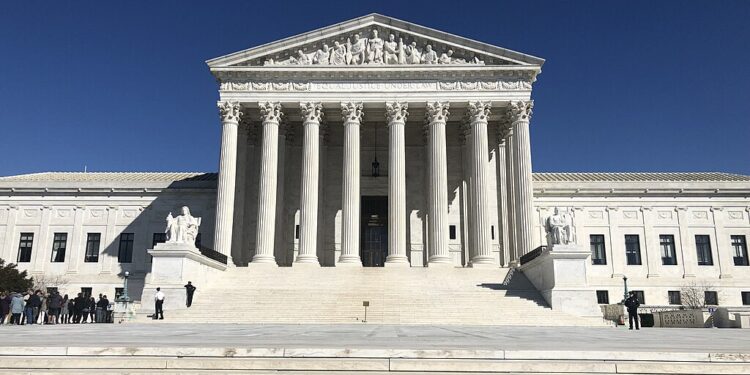
A surprising moment inside the Supreme Court on Wednesday is raising eyebrows—and giving Americans a closer look at just how complicated the fight over birthright citizenship has become under President Donald Trump.
During high-stakes arguments, U.S. Solicitor General John Sauer appeared caught off guard when asked a simple but powerful question:
Are Native Americans considered birthright citizens under the administration’s legal standard?
Awkward Moment Raises Bigger Questions
Justice Neil Gorsuch, a Trump appointee known for his sharp legal mind, pressed Sauer repeatedly for a clear answer.
At first, Sauer hesitated.
“I think so?” he responded—drawing immediate attention in the courtroom.
Gorsuch didn’t let it go.
He asked again. And again.
That’s when Sauer attempted to clarify, referencing historical debates and legal interpretations. But instead of clearing things up, the response only added to the confusion.
Finally, Sauer settled on:
“I think so, on our test… if they were lawfully domiciled here.”
Gorsuch quickly replied, “I’ll take the yes,” prompting laughter in the courtroom.
But behind the humor was a serious issue—one that could have major consequences for how citizenship is defined in America.
What Trump’s Birthright Citizenship Plan Really Means
At the center of the case is President Trump’s executive order aimed at ending automatic citizenship for children born in the United States to:
- Illegal immigrants
- Certain foreign nationals on temporary visas
Supporters say the policy restores the original meaning of the 14th Amendment and protects American sovereignty.
Critics, on the other hand, argue it could upend decades of legal precedent.
Why This Supreme Court Moment Matters
The exchange about Native Americans may seem like a side issue—but it reveals something much bigger.
If the definition of citizenship is changed, it could force courts to re-examine long-settled questions about:
- Who qualifies as an American citizen
- How the Constitution is interpreted
- The limits of federal immigration policy
For many Americans—especially those concerned about border security and the rule of law—this case represents a turning point.
Trump Makes Rare Supreme Court Appearance
Adding to the historic nature of the day, President Donald Trump attended the arguments in person—something almost unheard of for a sitting president.
His presence signals just how important this issue is to his administration and to millions of voters across the country.
What Happens Next
The Supreme Court is expected to rule later this year, and the decision could reshape immigration policy for decades.
One thing is clear:
What started as a legal debate is now a defining moment in the fight over American identity, citizenship, and the future of the nation.