
Millions of Americans are asking the same question every time they pull into a gas station: If oil prices have fallen, why are gasoline prices still so high?
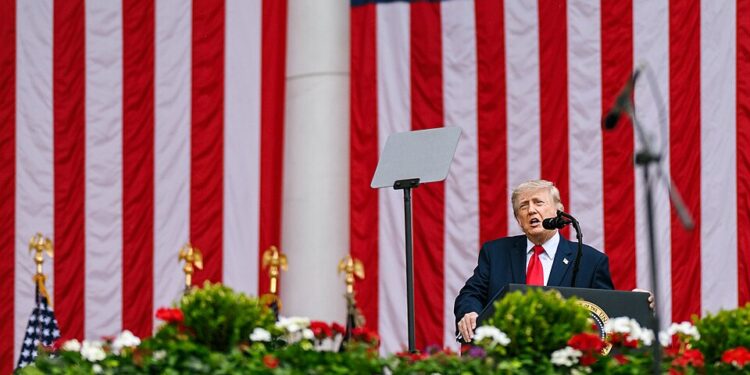
President Donald Trump says he believes he knows the answer—and he’s demanding answers from the energy industry.
As crude oil prices have dropped back to levels seen before the recent Middle East conflict, many drivers expected immediate relief at the pump. Instead, gasoline prices have remained elevated, fueling frustration among consumers and setting off a growing dispute between the White House and major players in the energy sector.
For families already dealing with inflation and a higher cost of living, every extra dollar spent filling up a vehicle makes a difference. That’s why the gap between falling oil prices and stubbornly high gas prices has become one of the country’s biggest economic debates.
Trump Demands Answers As Gas Prices Stay High
West Texas Intermediate crude oil settled Friday at $69.23 per barrel, its lowest closing price since late February and only slightly above where it traded before fighting intensified in the Middle East.
Despite that decline, the national average price for regular gasoline has remained around $3.90 per gallon—approximately one dollar higher than before the conflict began.
President Trump says consumers should already be seeing lower prices.
In a Truth Social post, Trump argued that major oil companies have failed to pass along the savings created by lower crude oil prices. He announced that he had directed the Department of Justice to investigate whether consumers are being charged unfairly at the gas pump.
According to Trump, Americans deserve to benefit when energy prices fall instead of continuing to pay elevated fuel costs.
Oil Industry Pushes Back
Energy companies strongly disagree with the president’s criticism.
Industry representatives argue that gasoline prices do not move in perfect sync with crude oil because several other factors influence what drivers ultimately pay.
Those factors include refining costs, transportation expenses, wholesale fuel purchases, seasonal demand, and existing fuel inventories.
They also point to continued uncertainty in global energy markets despite recent diplomatic efforts aimed at reducing tensions in the Middle East.
While the agreement between the United States and Iran eased concerns over disruptions to oil shipments through the Strait of Hormuz, military activity and security incidents in the region have continued to create uncertainty for global energy markets.
Why Haven’t Gas Prices Fallen Yet?
Energy analysts say there are practical reasons gasoline prices usually lag behind falling crude oil prices.
Many refiners, distributors, and local gas stations purchased fuel weeks earlier when oil prices were considerably higher. Before retailers can lower prices, they often need to sell through that more expensive inventory.
Summer travel is also increasing gasoline demand across the country, keeping pressure on supplies even as crude oil becomes less expensive.
Analysts note that this delay is common whenever oil prices experience rapid swings.
Most Gas Stations Aren’t Owned By Big Oil
Many Americans assume that oil companies directly control the prices displayed on gas station signs.
In reality, the U.S. gasoline market is highly decentralized.
More than half of all gas stations are independently owned small businesses, while fewer than 5% are actually owned by major oil companies.
That means local station owners—not large energy corporations—typically make the final decision about what customers pay at the pump based on local competition, operating expenses, and wholesale fuel costs.
Because thousands of businesses make independent pricing decisions, analysts say it would be extremely difficult for companies to coordinate gasoline prices nationwide.
What Past Investigations Have Found
Federal investigations conducted by administrations from both political parties have generally found little evidence of widespread price manipulation across the fuel industry.
While isolated cases of excessive pricing have occasionally been identified in local markets, regulators have typically concluded that broader gasoline price movements are driven primarily by supply, demand, refining capacity, transportation costs, and market conditions.
Those findings continue to shape the debate over whether today’s higher gasoline prices reflect normal market forces or something more.
What Happens Next?
If crude oil prices remain near current levels, many analysts believe gasoline prices could gradually decline over the coming weeks.
However, any renewed conflict in the Middle East, refinery outages, severe weather, or unexpected disruptions to global oil supplies could quickly reverse that trend and push fuel prices higher once again.
The Trump administration has indicated it will continue monitoring gasoline prices closely while increasing pressure on the energy industry to ensure consumers receive the benefits of lower crude oil costs.
Americans Are Watching Closely
For millions of Americans, the debate isn’t just about economics—it’s about household budgets.
Lower gasoline prices can reduce transportation costs, ease pressure on family finances, and help businesses facing higher operating expenses.
Whether prices at the pump begin falling in the weeks ahead could become one of the biggest economic stories of the summer. With inflation still affecting many households, Americans will be watching closely to see whether lower crude oil prices finally translate into meaningful savings every time they fill up their tanks.