
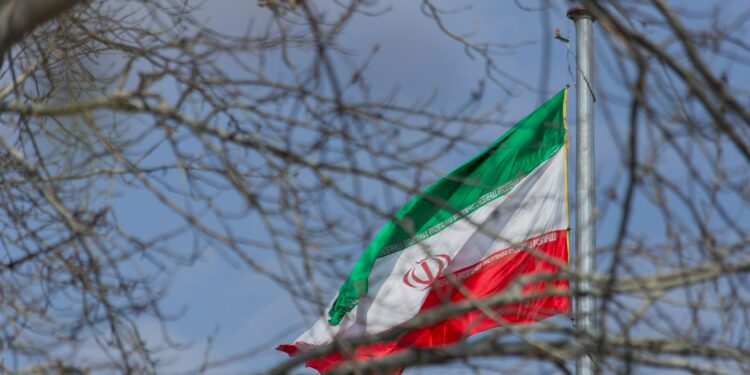
President Donald Trump is taking a tougher approach toward Iran after a series of attacks on commercial shipping near the Strait of Hormuz raised fresh concerns about security in the Middle East. The administration announced Tuesday that it is revoking a general license that had allowed certain Iranian oil sales, signaling renewed economic pressure on Tehran as regional tensions escalate.
A U.S. official said the decision follows recent attacks on commercial tankers in one of the world’s most strategically important waterways. The official described Iran’s actions as “wholly unacceptable” and warned that additional consequences could follow if threats to international shipping continue.
The policy shift marks a significant change as the administration balances diplomatic negotiations with a firm response to growing security concerns.
Tanker Attacks Trigger U.S. Response
The announcement came after three commercial tankers reported being struck by unidentified projectiles in and around the Strait of Hormuz, according to the United Kingdom Maritime Trade Operations (UKMTO), which monitors maritime security in the region.
At the time of the announcement, Iranian officials had not publicly responded to the reports, and no group had claimed responsibility for the attacks.
Despite the latest escalation, U.S. officials said negotiators remain engaged in discussions with Iran, indicating that diplomatic efforts have not been abandoned even as Washington increases economic pressure.
Trump Administration Tightens Sanctions
Revoking the general license is expected to make it more difficult for Iran to generate revenue through oil exports, one of the country’s largest sources of income.
The administration argues that restricting Iranian oil sales will reduce the financial resources available to the regime while reinforcing that attacks on international shipping lanes will carry economic consequences.
Supporters of the move say stronger sanctions increase America’s leverage during negotiations and demonstrate that the United States is prepared to respond when global commerce is threatened.
Why The Strait Of Hormuz Matters
The Strait of Hormuz is one of the most strategically significant waterways in the world. Situated between Iran and Oman, this narrow passage serves as a vital shipping route for a large share of global crude oil and liquefied natural gas exports, making it essential to international energy markets.
Nearly one-fifth of global oil consumption passes through the strait each day, making it a critical link in the international energy supply chain. Any disruption to shipping can quickly affect global markets and increase uncertainty for energy producers, businesses, and consumers alike.
Because of its strategic importance, the region has long been a focal point of geopolitical tensions involving the United States, Iran, and other international powers.
What It Could Mean For Americans
Although the latest developments are unfolding thousands of miles from the United States, they could eventually have an impact on American families.
If shipping through the Strait of Hormuz is disrupted for an extended period, global oil supplies could tighten, placing upward pressure on gasoline prices and transportation costs. Higher energy prices can also contribute to increased costs for groceries, manufacturing, and other everyday goods that depend on fuel for transportation.
Energy markets will likely continue watching developments in the region closely as officials assess the security situation.
Iran’s Economy Faces New Pressure
Oil exports remain one of Iran’s most valuable economic assets, generating billions of dollars in revenue despite years of U.S. sanctions.
In recent years, Tehran has expanded oil shipments—primarily to China—helping sustain government spending while offsetting some of the effects of existing sanctions.
By revoking the current license, the Trump administration is signaling that it intends to tighten financial pressure once again in an effort to limit Iran’s access to global energy markets.
Diplomatic Talks Continue
Even as sanctions increase, U.S. officials say negotiations aimed at reaching a broader agreement with Iran remain ongoing.
Previous discussions have focused on limiting Iran’s nuclear program in exchange for targeted sanctions relief, including measures affecting oil exports. The recent tanker attacks, however, have complicated those efforts and raised concerns that further escalation could jeopardize future progress.
For now, the administration appears to be pursuing a dual strategy—maintaining diplomatic channels while increasing economic pressure in response to security threats.
What’s Next?
The Trump administration has made clear that protecting international shipping lanes remains a top national security priority. Whether renewed sanctions persuade Iran to return to the negotiating table or lead to additional confrontation could shape U.S. foreign policy, global energy markets, and oil prices in the weeks ahead.
With tensions rising in the Middle East and investors watching closely, the administration’s next moves could have far-reaching consequences for regional stability, international trade, and American consumers.