
The Trump administration has launched a new government-backed website aimed at lowering prescription drug costs for American families, a move the White House says could put real savings back into household budgets.
The website, TrumpRx.gov, was unveiled Thursday evening and is designed to help consumers find lower-cost prescription medications by connecting them directly with pharmaceutical manufacturers offering discounted prices. Officials say the platform is part of President Donald Trump’s broader effort to rein in healthcare costs and reduce the financial burden on seniors and working Americans.
TrumpRx does not sell prescription drugs itself. Instead, the site acts as a centralized directory, steering users to drugmakers’ own online stores and discount programs. By cutting out pharmacy benefit managers and other intermediaries, the administration says consumers may be able to access lower prices than those offered through traditional pharmacy channels.
White House press secretary Karoline Leavitt announced the launch on social media, calling TrumpRx a modern, consumer-friendly website built to help Americans purchase prescription drugs at more affordable prices.
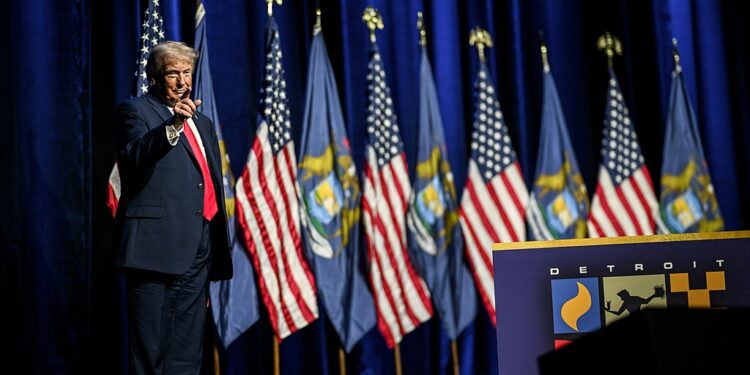
President Trump introduced the platform alongside Dr. Mehmet Oz, administrator of the Centers for Medicare and Medicaid Services, and Joe Gebbia, director of the White House National Design Studio. Administration officials stressed that the initiative focuses on transparency, competition, and empowering consumers to make informed healthcare decisions.
The rollout follows months of anticipation. President Trump first previewed the idea last September as part of a renewed push to tackle rising prescription drug prices, a top concern for voters facing higher medical bills and everyday living costs. While earlier launch targets were delayed, the administration now says the platform is fully operational.
According to the White House, TrumpRx is intended to reduce reliance on middlemen that often drive up drug prices. Instead, the site links patients directly to manufacturer discount programs, where some prescriptions may be purchased at reduced cash prices, particularly for uninsured Americans or those facing high deductibles.
Still, officials acknowledge that savings will vary. Most Americans receive prescription coverage through employer-sponsored insurance, Medicare, Medicaid, or private health plans, and out-of-pocket costs depend on deductibles, formularies, and pharmacy networks. In some cases, insurance-negotiated prices may remain lower than direct-purchase options.
The Trump administration has also pointed to separate agreements with pharmaceutical companies designed to lower prices by tying U.S. drug costs to the lowest prices paid in other developed countries. This approach, often referred to as “most favored nation” pricing, aims to prevent Americans from paying more than foreign consumers for the same medications.
Some recently approved medications are expected to be offered through drugmakers’ online platforms linked on TrumpRx, though officials have not yet published a full list of qualifying drugs or eligibility requirements.
Health policy experts note that manufacturer cash pricing can sometimes undercut retail list prices, especially for patients with limited insurance coverage. However, they caution that direct-to-consumer discounts are not guaranteed to beat all insurance plans, particularly those with strong pharmacy benefits.
Separately, the administration is continuing Medicare drug price negotiations authorized under a 2022 federal law. That program targets high-cost medications and allows the federal government to negotiate prices directly with drugmakers, with changes scheduled to take effect over time.
The White House has framed TrumpRx as a practical, consumer-first solution that delivers immediate options for lowering prescription costs, especially for seniors and families struggling with rising healthcare expenses. Supporters say the initiative reflects President Trump’s broader commitment to putting patients first and challenging a healthcare system long criticized for high prices and limited transparency.