
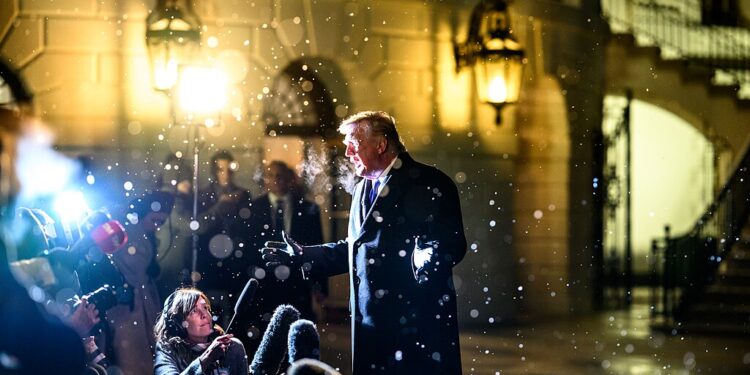
President Donald Trump is preparing for a major international trip this May—and it could have serious consequences for America, China, and the balance of power around the world.
The president confirmed he will travel to Beijing on May 14–15 to meet with Chinese President Xi Jinping, marking his first visit to China in over eight years. The trip was delayed earlier this year as President Trump remained in Washington to oversee escalating military tensions involving Iran.
Now, with the situation stabilizing, the visit is back on—and many are calling it one of the most important diplomatic moves of Trump’s second term.
Why Trump’s China Trip Matters Right Now
This is not just another routine meeting between world leaders.
President Trump has made it clear that America’s economic and military strength—and its rivalry with China—are top priorities. His upcoming meeting with Xi Jinping comes at a time when:
- Global energy markets are unstable
- Tensions in the Middle East remain high
- Trade disputes between the U.S. and China are unresolved
In a statement posted on Truth Social, Trump called the visit a “historic” and “monumental” event, signaling just how significant this meeting could be.
He also confirmed that Xi Jinping is expected to visit the United States later this year, suggesting ongoing negotiations behind the scenes.
Trade War, Tariffs, and America First Policies
One of the biggest issues hanging over the trip is trade.
Earlier this year, the Supreme Court limited the administration’s ability to impose tariffs—one of President Trump’s most powerful tools in holding China accountable. Despite that setback, Trump is expected to push aggressively for fair trade deals that benefit American workers and businesses.
China remains one of America’s largest trading partners, but also one of its biggest economic competitors.
Supporters of the president say this meeting is a chance to reassert strong leadership and put America First back at the center of global trade negotiations.
Taiwan Tensions and Military Strength
Another major flashpoint is Taiwan.
President Trump has expanded U.S. arms sales to Taiwan during his second term, sending a clear message that the United States will stand by its allies. China, however, has reacted strongly, continuing to claim Taiwan as its territory.
This issue alone could dominate discussions during the trip—and highlights the growing military tension between the two global powers.
Iran Conflict Still Casting a Shadow
The ongoing conflict involving Iran is also playing a major role in shaping this visit.
The war has already shaken global oil markets, especially with threats to the Strait of Hormuz—a key route for the world’s energy supply.
President Trump has urged major nations, including China, to help prevent further disruption. So far, China has remained largely silent, even as it continues to import massive amounts of oil.
According to the White House, the conflict could last four to six weeks, meaning its outcome may directly impact the tone and urgency of Trump’s meeting in Beijing.
A High-Stakes Meeting With Global Impact
This will be Trump’s first face-to-face meeting with Xi Jinping since their last summit, where both leaders agreed to ease trade tensions temporarily.
Now, the stakes are even higher.
While smaller agreements—such as agriculture or manufacturing deals—may come out of the visit, deeper issues like trade imbalances, military competition, and global influence will be much harder to resolve.
What This Means for Americans
For millions of Americans—especially those concerned about the economy, national security, and America’s role in the world—this trip is more than just diplomacy.
It’s about:
- Jobs and manufacturing
- Energy prices
- Military strength
- America’s future against China
And once again, President Trump is stepping into the global spotlight, taking direct action at a time when leadership matters most.
Bottom Line
President Trump’s upcoming trip to China isn’t just another overseas visit—it’s a defining moment.
With tensions rising, economies shifting, and global alliances being tested, all eyes will be on Beijing this May.
The question now is simple: What comes next—and who comes out ahead?