
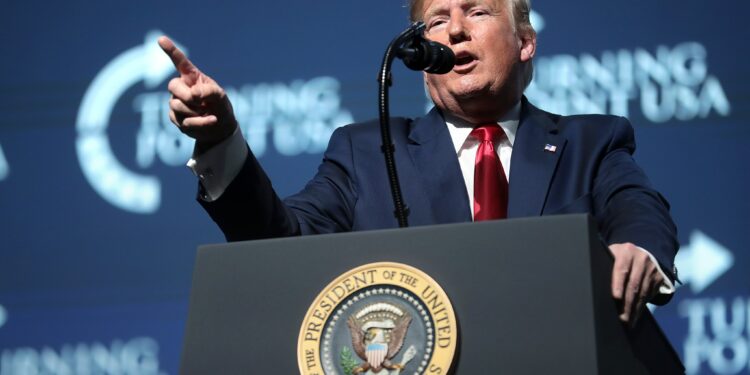
President Donald Trump has signed off on significant disaster aid for several states, providing much-needed support to communities battered by severe weather—while also sparking fresh debate over how disaster funds are being distributed across the country.
According to the Federal Emergency Management Agency (FEMA), seven states have officially received federal disaster declarations, unlocking emergency funding and recovery assistance for thousands of Americans.
Full List: States Receiving Trump’s Disaster Relief
The following states are now eligible for federal support:
- Oregon
- Montana
- Idaho
- Alaska
- Washington
- South Dakota
- South Carolina
These disaster declarations allow access to:
- Emergency housing and financial assistance
- Infrastructure repairs (roads, bridges, utilities)
- Support for families and small businesses
For many residents, this relief could speed up recovery and prevent long-term economic damage.
Why This Matters Now: Disaster Season Is Approaching Fast
With hurricane season just weeks away, the timing of these approvals is critical.
Under Homeland Security Secretary Markwayne Mullin, the administration is pushing to accelerate disaster response efforts and clear a growing backlog of pending requests.
Mullin has emphasized urgency, noting that:
- Disasters are becoming more frequent
- Delays can leave communities vulnerable
- Faster approvals are essential to protect American lives and property
Funding Crisis Looms Despite Trump’s Action
Even with these approvals, a major problem remains:
👉 FEMA’s disaster relief fund is running low
An ongoing funding standoff within the Department of Homeland Security threatens to:
- Drain remaining emergency resources
- Delay future disaster responses
- Increase pressure on state governments
Lawmakers are currently debating a proposal that would inject over $26 billion into the fund—but until that happens, uncertainty remains.
Trump’s Strategy: Put States Back in Charge
The White House made it clear that President Trump is taking a different approach to disaster relief:
- Federal aid is meant to support—not replace—state action
- States are expected to invest in their own disaster preparedness
- Local governments must take the lead in response efforts
This strategy reflects a broader push for state responsibility and fiscal discipline, a message that resonates strongly with many conservative voters.
Not Everyone Is Getting Help—And Some Are Still Waiting
While seven states were approved, many others are still in limbo:
- 15 disaster requests remain pending
- 3 appeals are still under review
- Some states have waited months for answers
For example:
- Arizona has been waiting nearly three months for flood relief
- Maryland officials previously criticized denied requests despite millions in damages
These delays have sparked debate over whether the system is becoming too slow during critical emergencies.
Major Change: Missing Disaster Prevention Funding
One key detail many Americans may not realize:
👉 No hazard mitigation funding was included in these approvals
In the past, this funding helped communities:
- Strengthen infrastructure before disasters hit
- Reduce long-term damage
- Save taxpayer money over time
The absence of this funding for over a year signals a major shift in federal disaster policy.
What It Means for You and Your Community
President Trump’s disaster approvals highlight both strengths and concerns in the current system:
The Positives:
✔ Faster approvals for immediate disasters
✔ Focus on helping affected Americans quickly
✔ Push for stronger state-level preparedness
The Concerns:
⚠ Funding shortages could impact future emergencies
⚠ Long delays for some states still waiting
⚠ Less focus on long-term disaster prevention
Bottom Line: Relief Is Coming—But Questions Remain
President Donald Trump is moving to deliver disaster aid where it’s needed most—but with funding challenges, policy shifts, and delays still in play, many Americans are asking:
Is this a smarter, more efficient system—or one that risks leaving some communities behind when disaster strikes?