
Democrats are already laying the groundwork for the 2026 midterm elections, and some party strategists believe President Donald Trump may be giving them fresh political ammunition.
Longtime Democratic operative David Axelrod suggested this week that Trump’s highly publicized renovation projects at the White House and the Kennedy Center could become a talking point for Democrats seeking to challenge Republicans in competitive districts.
Appearing on Erin Burnett OutFront, Axelrod argued that the optics of luxury upgrades risk clashing with voter concerns about inflation, household expenses, and the cost of living.
“This creates a political vulnerability,” Axelrod said, claiming the projects could be framed as symbolic of misplaced priorities. While acknowledging that Trump himself will not be on the ballot in 2026, Axelrod warned that down-ballot Republicans could still feel the effects of sustained messaging around the issue.
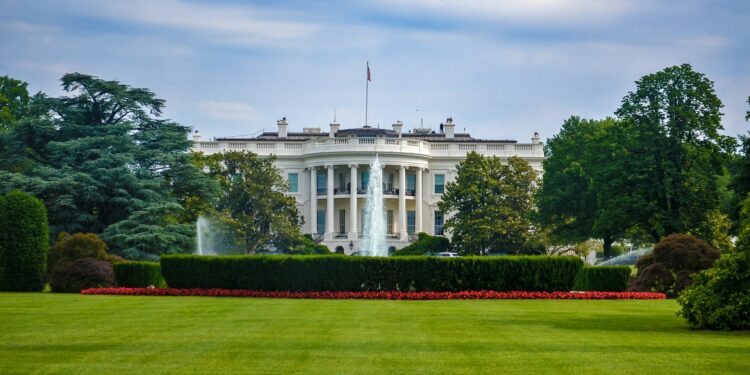
Since returning to office, Trump has approved multiple renovation initiatives at the White House. These include redesigns of the Rose Garden and Palm Room, expanded decorative elements in the Oval Office, and preliminary work on a large ballroom project that reports suggest could cost hundreds of millions of dollars.
The president has also taken a direct leadership role at the Kennedy Center, restructuring its board, assuming the chairmanship, and backing plans to rename the iconic venue to honor both himself and President John F. Kennedy. Trump recently shared images of proposed marble fixtures that could be added as part of future upgrades.
Axelrod argued that such displays could be used by Democrats to suggest the administration is overly focused on aesthetics.
“Families are worried about their bills,” he said, adding that voters may question public attention on renovations rather than economic pressures.
Conservatives, however, largely dismiss the criticism as a familiar political strategy. Supporters note that Trump has consistently emphasized economic growth, energy independence, border enforcement, and reducing regulatory burdens—issues they believe resonate far more with everyday Americans than media narratives about décor.
Many on the right also point out that White House renovations and cultural institutions have been updated by nearly every modern administration, often without controversy, and argue that Democrats are seizing on symbolism because they lack compelling policy alternatives.
As the 2026 midterms draw closer, Democrats appear poised to test whether renovation headlines can outweigh voter priorities such as inflation, public safety, national security, and economic stability—or whether the attacks will fall flat with an electorate focused on results rather than rhetoric.