
A growing dispute between the United States and Canada is taking another dramatic turn as Canada moves away from American defense manufacturers and toward European military partnerships.
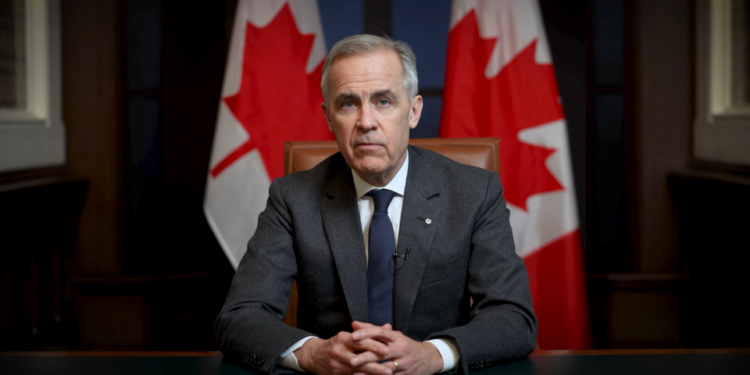
On Wednesday, Canadian Prime Minister Mark Carney announced that Canada is entering negotiations to purchase advanced surveillance aircraft from Swedish defense company Saab instead of choosing American-made alternatives.
The move is already raising eyebrows among many conservatives and defense analysts, especially as tensions continue to rise between Ottawa and President Donald Trump over trade, military spending, and Canada’s growing ties to Europe.
Canada is reportedly interested in Saab’s GlobalEye surveillance system, a high-tech aircraft equipped with advanced radar and intelligence capabilities designed to monitor threats across land, sea, and air. The aircraft is built using Canadian-made Bombardier Global 6500 jets, which Canadian officials say could help support roughly 3,000 jobs in the country’s aerospace sector.
Canadian leaders argued the deal would strengthen both national security and domestic manufacturing at the same time.
“The first responsibility of government is to keep Canadians safe,” Carney said in a statement announcing the negotiations. He also claimed the agreement would help create jobs in engineering, science, and skilled trades while modernizing Canada’s defense capabilities.
The decision marks a major setback for American defense companies. Canada reportedly rejected Boeing’s E-7 Wedgetail aircraft, which has faced criticism over rising costs and delays. Another U.S.-based option from L3Harris Technologies was also passed over.
The timing of the announcement is especially significant.
For years, the United States and other NATO allies have criticized Canada for failing to spend enough on defense. Now, instead of deepening military cooperation with Washington, Canada appears to be expanding its relationship with European defense suppliers.
Last year, Canada joined the European Union’s Security Action for Europe initiative while also promising to boost military spending in the years ahead.
Swedish Prime Minister Ulf Kristersson praised the potential agreement Wednesday, saying the GlobalEye system would help Canada defend Arctic territory while strengthening NATO operations.
Meanwhile, Saab is reportedly hoping to secure another major contract by convincing Canada to rethink its planned purchase of 88 American-made F-35 fighter jets.
That review began shortly after President Trump imposed tariffs on Canadian imports earlier this year, triggering new friction between the longtime allies.
In another sign that relations may be deteriorating, the Pentagon recently announced it would suspend participation in the Permanent Joint Board on Defense, a long-standing military coordination group between the U.S. and Canada. Reports indicated the decision followed controversial remarks Carney made earlier this year at the World Economic Forum.
For many Americans watching closely, the situation highlights a growing divide between the Trump administration’s America First policies and Canada’s increasing alignment with European political and defense priorities.
As trade disputes, military disagreements, and global alliances continue to shift, the once-stable relationship between the neighboring countries may be entering a far more uncertain chapter.