
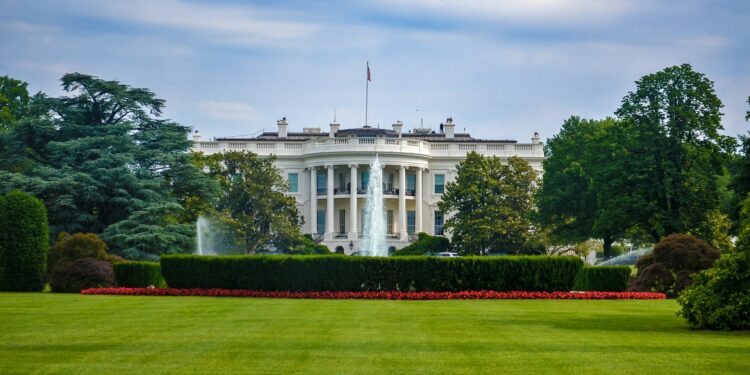
A federal judge has just blocked President Donald Trump’s major White House renovation, igniting outrage among supporters and raising serious questions about judicial overreach.
In a stunning decision, U.S. District Judge Richard Leon ordered an immediate halt to construction on Trump’s planned White House ballroom—a project many saw as a long-overdue upgrade to one of America’s most iconic buildings.
For millions of Americans, this ruling looks less like routine legal procedure… and more like another attempt to stop Trump at every turn.
Judge Stops Trump’s White House Project Cold
Judge Leon claimed that President Trump does not currently have the authority to move forward with the $400 million ballroom without approval from Congress.
That means construction is now frozen—despite the fact that the project is largely funded by private donors, not taxpayers.
Let that sink in.
A privately supported project to improve the White House… shut down by a federal judge.
Leon argued that while the president serves as a steward of the White House, he cannot make major structural changes without Congress signing off.
What Was Trump Building?
The Trump administration had already begun transforming the White House grounds, including tearing down the East Wing to make room for a massive 90,000-square-foot ballroom.
The vision?
- A world-class venue for state dinners and diplomatic events
- A modern space to host foreign leaders with American strength and prestige
- A long-term upgrade benefiting future presidents—not just Trump
The ballroom was expected to be completed by 2028 and described by supporters as one of the most impressive government event spaces in the world.
Who Filed The Lawsuit?
The project was challenged by the National Trust for Historic Preservation, a group that argued the administration skipped required steps like:
- Congressional approval
- Environmental and historical reviews
- Public comment periods
Critics, however, say this is just another example of bureaucratic red tape being weaponized to block progress.
Judge Leon ultimately sided with the group, arguing that the Constitution gives Congress control over federal property and spending.
Trump Fires Back
President Trump didn’t stay quiet.
In a strong response, he blasted the lawsuit and those behind it, pointing out that the ballroom project is:
- Under budget
- Ahead of schedule
- Funded without burdening taxpayers
Supporters see the ruling as part of a larger pattern—where Trump-led projects face relentless legal challenges, even when they aim to modernize and improve American institutions.
Is This About Law… Or Politics?
That’s the question many Americans are now asking.
The ruling does leave one path forward: Congress can approve the project at any time.
But until that happens, construction remains shut down.
For Trump supporters—especially those who have watched years of legal battles unfold—this case feels all too familiar.
Another courtroom.
Another delay.
Another obstacle.
What Happens Next Could Be Huge
If Congress steps in, the project could move forward quickly.
If not, this could become yet another high-profile legal fight over presidential authority, federal power, and the future of America’s institutions.
One thing is certain:
The fight over Trump’s White House isn’t just about a ballroom.
It’s about who really controls the direction of the country.