
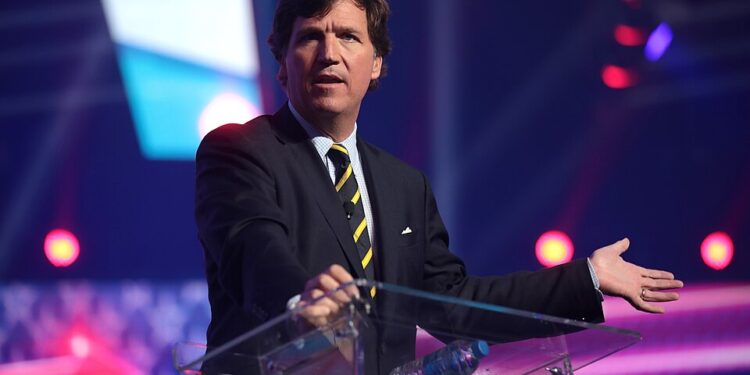
A surprising clash inside the conservative movement is turning heads, as Tucker Carlson openly criticized remarks made by Donald Trump following the death of Robert Mueller.
The moment has sparked a wider debate—not just about politics, but about respect, leadership, and the tone of modern America.
Trump’s Reaction Sparks Immediate Backlash
After news broke of Mueller’s death, President Trump issued a blunt response, stating that he was “glad” Mueller could no longer harm innocent Americans.
For many conservatives, the comment reflected years of frustration over the controversial Russia investigation. But for others—including Carlson—it crossed a line.
Carlson Breaks Ranks With Strong Warning
Carlson, who spent years criticizing Mueller’s investigation more aggressively than almost anyone in media, made it clear he was not defending Mueller’s actions—but rather defending something bigger.
Speaking on The Tucker Carlson Show, he warned that celebrating death—even of political opponents—signals a dangerous cultural shift.
“There’s something deeply wrong about taking satisfaction in someone’s death,” Carlson said, stressing that respect for life must remain a core American value.
A Deeper Conversation About America’s Moral Direction
Joining Carlson was James Webb, who took the discussion even further.
Webb reminded viewers that Mueller, despite controversy, served his country for decades—including combat service in Vietnam.
He argued that a nation should be judged by how it treats both the living—and the dead.
Carlson agreed, warning that the United States risks drifting toward what he described as a “cold and hardened” culture if basic standards of decency disappear.
Growing Divide Inside Conservative Voices
This moment highlights a larger issue many voters are starting to notice: not all conservative voices are aligned on tone and messaging anymore.
While support for President Trump remains strong across the country—especially among older Americans—figures like Carlson are raising concerns about how political battles are being fought.
The disagreement isn’t about policy. It’s about how far is too far when it comes to rhetoric.
Why This Story Matters Right Now
For millions of Americans—especially those who value tradition, faith, and respect—this debate hits close to home.
At a time when the country faces global tensions, cultural division, and political uncertainty, many are asking:
- Should leaders speak with restraint—even about their enemies?
- Are American values changing too fast?
- And what kind of example is being set for the next generation?
Bottom Line
Even among allies, tough conversations are beginning to surface.
Carlson’s criticism may not signal a break with President Trump—but it does reveal something important: a growing concern about tone, respect, and the future direction of American culture.
And for many Americans watching closely, that conversation is just getting started.