
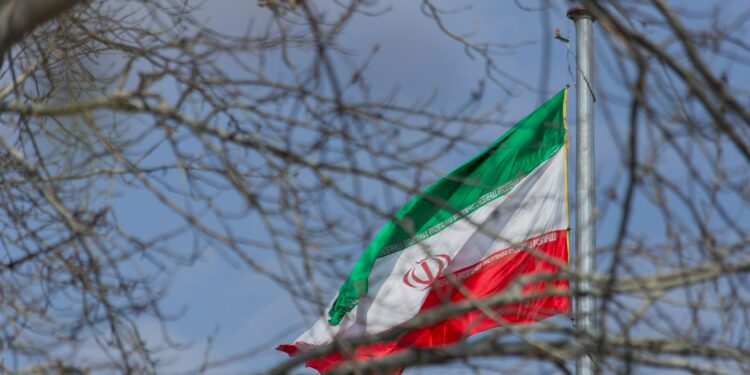
Iran’s president is publicly declaring victory over the United States and President Donald Trump, even as the Trump administration prepares a sweeping new economic offensive designed to put Tehran under intense financial pressure.
Iranian President Masoud Pezeshkian said Friday that the conflict between the United States and Iran should come to an end, claiming international opinion has shifted in Tehran’s favor.
According to Iran’s state-run IRNA news agency, Pezeshkian claimed the world had effectively recognized Iran’s victory while arguing that America’s standing had suffered.
The declaration comes at a pivotal moment for Trump. His administration is preparing additional economic sanctions against Iran while negotiations continue over the Strait of Hormuz, one of the world’s most important energy corridors.
Iran Claims Victory Over United States
Pezeshkian’s comments represent Tehran’s latest attempt to portray the confrontation with Washington as a political and strategic victory.
The Iranian president’s declaration, however, is Iran’s characterization of the conflict rather than an independently established conclusion about its outcome.
Trump is signaling that the United States is far from finished applying pressure.
The president announced Wednesday that his administration intends to launch what he called the “most crushing economic operation ever” against Iran.
Trump said the campaign would target the networks Tehran allegedly uses to move oil and money around international restrictions, including oil-smuggling operations, financial transfers, exchange houses, shipping registries and front companies.
The president branded the coming effort an “ECONOMIC D-DAY” and urged U.S. allies to help isolate Iran.
Trump Turns Up Economic Pressure on Iran
The strategy could become one of the most significant tests yet of Trump’s approach toward Iran.
Rather than easing pressure following Tehran’s victory claims, the administration is preparing to tighten restrictions on Iran’s ability to participate in the international economy.
Treasury Secretary Scott Bessent is expected to announce details of the new sanctions Monday.
Bessent said Thursday that the administration plans to combine economic sanctions with the existing blockade, describing the strategy as a powerful two-part effort against Tehran. He also predicted that the pressure would ultimately succeed in destabilizing Iran’s government.
Whether that prediction becomes reality remains uncertain, but the administration is making clear that it intends to use America’s financial power aggressively.
Strait of Hormuz Remains Critical
At the center of the dispute is the Strait of Hormuz, a narrow but enormously important waterway connecting the Persian Gulf with the Gulf of Oman.
During peacetime, roughly one-fifth of global oil consumption passes through the strait each day. That makes developments in the region important not only for national security but also for energy markets and American consumers.
A prolonged disruption could put additional pressure on oil markets and potentially affect gasoline and transportation costs.
The strategic passage has effectively been closed amid Iranian counterstrikes and a U.S. naval blockade. Washington and Tehran have been engaged in negotiations involving the reopening of the waterway.
Iran and Oman share jurisdiction over the Strait of Hormuz, while Trump has raised the possibility of bringing the passage under U.S. control as negotiations continue.
That makes the outcome particularly significant for Americans watching energy prices and the broader economy.
Iran Attacks Trump’s Sanctions Strategy
Iranian officials are attempting to turn Trump’s economic offensive into a political argument against Washington.
Iranian Foreign Minister Abbas Araghchi criticized the upcoming sanctions Thursday and claimed the administration was trying to divert attention from America’s own economic challenges.
Araghchi pointed to the national debt, rising interest expenses and cost-of-living concerns while arguing that additional sanctions would fail to achieve Washington’s objectives.
The Trump administration sees the situation very differently.
Its strategy is based on restricting the financial networks that provide revenue to Tehran and increasing the economic cost of resisting U.S. demands.
The effectiveness of that approach could depend heavily on whether America’s allies cooperate and how successfully Iran finds alternative ways to sell oil and conduct international transactions.
Trump’s Next Move Could Be Crucial
Pezeshkian’s declaration sets up a striking contrast between the messages coming from Washington and Tehran.
Iran’s government wants its citizens and the international community to believe it has successfully stood up to the United States and emerged victorious.
Trump’s administration is preparing to demonstrate the opposite.
The coming sanctions could provide an important indication of how much economic leverage Washington still possesses. If the restrictions significantly reduce Iran’s ability to sell oil, access international markets and move money, Tehran could face increasing pressure.
If Iran manages to circumvent those restrictions, however, the standoff could become more difficult and expensive to resolve.
For Americans, the consequences extend beyond foreign policy. The Strait of Hormuz plays an enormous role in global energy markets, meaning developments involving Iran can potentially affect oil prices, gasoline costs, inflation and the broader U.S. economy.
For Trump, the stakes are also political.
Iran has now publicly declared victory over his administration and the United States. Trump is responding by preparing one of his most aggressive economic moves against Tehran yet.
The question now is whether Iran’s victory declaration proves justified — or premature.