
Yes
I do.
No
I don’t.
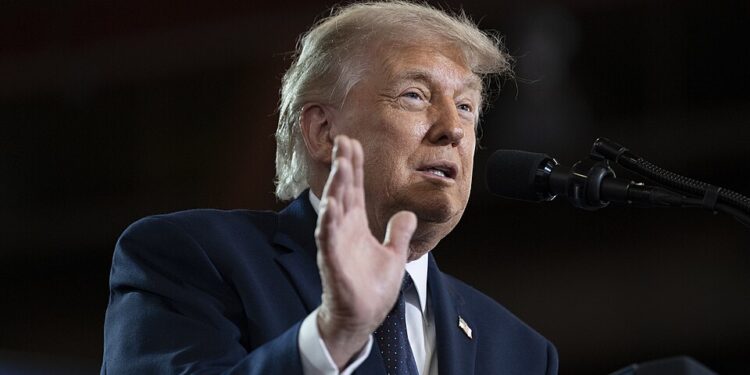
Freedom of speech remains one of the most important rights protected by the U.S. Constitution, and it continues to be a major topic of debate across the country. President Donald Trump recently argued that many Democrats support policies that could limit free expression, particularly when it comes to online content moderation, political speech, and controversial viewpoints. His comments have sparked a nationwide discussion about where the line should be drawn between protecting free speech and addressing misinformation, hate speech, and other harmful content.
Supporters of President Trump say Americans should be able to express their opinions without fear of censorship from government agencies, large technology companies, or political pressure groups. They argue that freedom of speech is essential to maintaining a healthy democracy and ensuring that all viewpoints can be heard, even those that may be unpopular.
Critics of Trump’s position argue that certain restrictions are necessary to combat false information, protect public safety, and prevent harmful content from spreading online. They contend that responsible oversight does not automatically threaten constitutional rights.
As the debate continues, many voters are asking whether current policies strike the right balance between freedom and accountability. The issue is expected to remain a key political topic as lawmakers, courts, and technology companies continue to wrestle with questions about speech rights in the digital age.