

Yes
She is.
No
She isn’t.
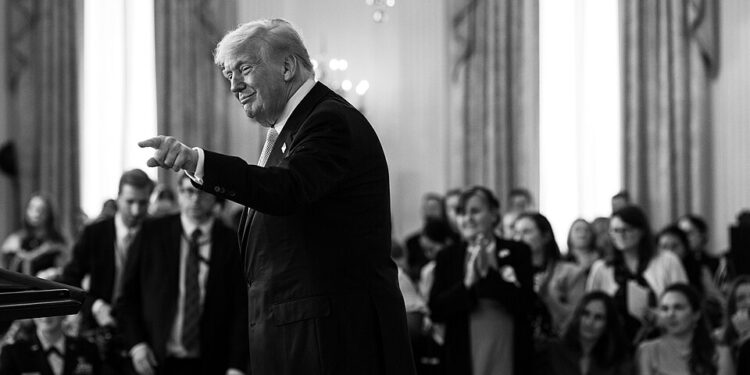
Political disagreements between world leaders often generate intense debate, especially when they involve major figures on the global stage. Recent comments attributed to Italian Prime Minister Giorgia Meloni and President Donald Trump have sparked discussion among voters, political analysts, and international observers.
Supporters of Trump argue that many criticisms directed at him are politically motivated and designed to weaken his influence both at home and abroad. They point to his record on economic growth, border security, foreign policy negotiations, and government reform as evidence that his statements and positions have often been validated over time. Many also believe that international leaders sometimes clash with U.S. presidents because of differing national interests rather than concerns about honesty.
Critics, however, argue that Trump has frequently made statements that have been challenged by opponents, media organizations, and political fact-checkers. They contend that accuracy and transparency are essential qualities for any president and that public officials should be held accountable for their words regardless of political affiliation.
The broader question goes beyond a single remark or disagreement. It touches on how voters evaluate political leadership, credibility, media coverage, and international relations. In today’s highly polarized political environment, Americans often receive vastly different interpretations of the same event depending on the news sources they follow.
As voters consider this debate, they may weigh several factors, including Trump’s overall record, his communication style, the role of the media, and the motivations of foreign leaders who comment on American politics.