
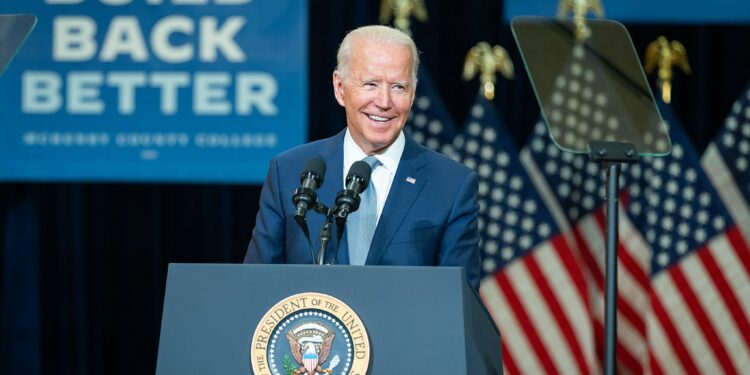
Millions of Americans with student loans are about to see major changes as the Trump administration moves to replace one of former President Joe Biden’s most controversial student debt programs. Officials say the overhaul will simplify repayment options, reduce confusion, and protect taxpayers from a plan that became tied up in court battles.
The Department of Education announced that millions of borrowers currently enrolled in Biden’s SAVE Plan will soon need to transition to new repayment options approved under the Trump administration.
Officials say the goal is straightforward: create a student loan system that is easier to understand, legally sound, and more accountable to taxpayers.
Millions of Borrowers Face Major Changes
Beginning July 1, approximately 7.5 million borrowers enrolled in the SAVE Plan will begin receiving notifications from their loan servicers.
Borrowers will have 90 days to select a new repayment option as the federal government gradually phases out Biden-era repayment programs.
According to the Department of Education, borrowers currently enrolled in the SAVE program hold roughly $365 billion in outstanding student loan debt.
Education officials say they are staggering the transition to prevent service disruptions and avoid overwhelming loan servicers with millions of requests at the same time.
Why Trump’s Team Is Ending the SAVE Plan
Under Secretary of Education Nicholas Kent said the federal student loan system had become unnecessarily complicated after years of new repayment programs and administrative changes.
“We have over 40 repayment and discharge options currently, and the system has become overly complex and very difficult to understand,” Kent said.
He described the existing framework as a confusing patchwork that left many borrowers struggling to determine which repayment plan was best for their financial situation.
The Trump administration argues that student loan repayment should be simple enough for any American to understand, regardless of education level or career path.
Court Ruling Accelerated the Change
The transition comes after a federal appeals court struck down the SAVE Plan earlier this year.
Critics argued that the Biden administration exceeded its authority by creating a program that could ultimately cost taxpayers hundreds of billions of dollars.
Federal estimates projected that the SAVE Plan could have cost taxpayers as much as $475 billion over the next decade.
The court’s decision forced the Department of Education to develop replacement options that officials say are firmly grounded in congressional authority.
“Our repayment plans are congressionally mandated,” Kent explained. “That means they are designed to withstand legal scrutiny and provide long-term stability for borrowers.”
New Student Loan Repayment Options Explained
The Trump administration is introducing two primary repayment options for borrowers leaving the SAVE Plan.
The first option is known as the Repayment Assistance Plan, or RAP.
The second is the Tiered Standard Plan, which offers borrowers a more traditional repayment structure with extended timelines.
More than 300,000 borrowers have already moved into RAP, according to Education Department officials.
How the RAP Plan Works
Under the Repayment Assistance Plan, borrowers will make payments based on their income.
Monthly payments can range from 1% to 10% of adjusted gross income depending on earnings.
Officials say one key advantage of the plan is that borrowers who make their payments on time will consistently see their loan balances decline.
That addresses a common complaint under previous income-driven repayment plans, where some borrowers reported owing more money years after making regular payments.
Any remaining balance can be forgiven after 30 years if the debt is not fully repaid.
Education officials say the plan is designed to encourage responsible repayment while still providing long-term flexibility for borrowers facing financial challenges.
Another Option for Borrowers
The Tiered Standard Plan offers a different approach.
Rather than the traditional 10-year repayment schedule used by many federal student loan programs, some borrowers may qualify for repayment periods extending up to 25 years.
Supporters argue that longer repayment windows can lower monthly payments and make budgeting easier for working families.
Borrowers will be able to compare both options before selecting the plan that best fits their financial needs.
Taxpayer Cost Concerns Fueled the Overhaul
A major criticism of the SAVE Plan involved its potential cost to taxpayers.
Opponents argued that the program shifted too much of the financial burden away from borrowers and onto future generations of taxpayers.
The Trump administration says its replacement plans strike a better balance between helping borrowers manage their debt while maintaining accountability and protecting public finances.
Officials also emphasize that repayment programs approved directly by Congress provide greater certainty than policies created through executive action alone.
What Borrowers Need To Do Next
Borrowers currently enrolled in the SAVE Plan should pay close attention to communications from their loan servicers in the coming weeks.
The Department of Education says multiple outreach campaigns have already been conducted to prepare borrowers for the transition.
Those who receive notices should review their repayment options carefully and select a new plan within the required 90-day period.
Officials say acting early will help borrowers avoid unnecessary delays and ensure a smooth transition.
Trump’s Education Department Promises Stability
For years, student loan borrowers have dealt with changing rules, new programs, legal challenges, and ongoing uncertainty.
The Trump administration says its reforms are designed to bring clarity, stability, and accountability back to the federal student loan system.
Whether supporters view the changes as a necessary correction or critics see them as a departure from Biden-era policies, one thing is clear: millions of Americans will soon be making important decisions about how they repay their student loan debt.
As the transition begins, the administration is betting that a simpler system with fewer options, clearer rules, and stronger legal footing will provide borrowers with the certainty they have been missing for years.