
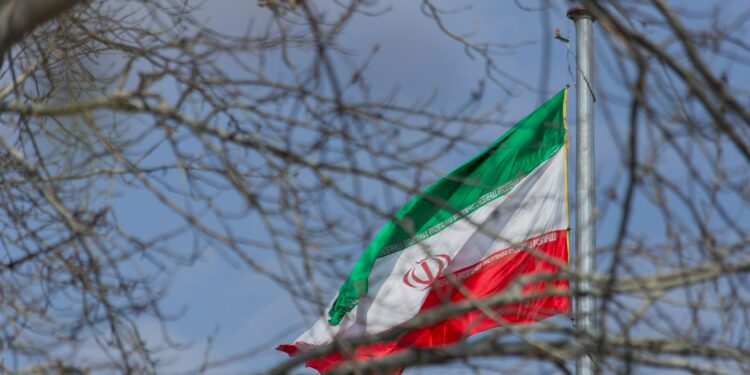
President Donald Trump says the United States is taking a major step toward a possible diplomatic breakthrough with Iran, announcing that he has ordered American forces to pause planned military strikes while negotiators work to finalize an agreement that could ease one of the world’s most dangerous conflicts.
The announcement marks the latest chapter in months of military confrontation that has shaken global energy markets, disrupted international shipping, and heightened fears of a broader regional war. While no final agreement has been signed, Trump expressed confidence that diplomacy now has a real opportunity to succeed if both sides remain committed to negotiations.
Trump Says Diplomacy Deserves A Chance
In a Saturday evening social media post, Trump said he agreed to suspend additional military action after receiving requests from Middle Eastern partners involved in mediation efforts.
According to the president, negotiators are working toward a framework designed to reopen the Strait of Hormuz, reduce military tensions, and address concerns surrounding Iran’s nuclear program.
Trump said he is willing to give diplomacy additional time before considering further military action, emphasizing that avoiding more bloodshed would benefit both the region and the global economy if a workable agreement can be reached.
At the center of the negotiations is the Strait of Hormuz.
Roughly one-fifth of the world’s oil supply normally passes through the narrow passage connecting the Persian Gulf to international shipping lanes. Any disruption immediately affects global energy markets, gasoline prices, and inflation.
Since fighting erupted earlier this year, commercial shipping through the strait has been severely disrupted, sending energy prices sharply higher and raising concerns among governments and businesses worldwide.
Reopening the waterway has become one of the highest priorities for negotiators because restoring normal shipping could help stabilize energy markets while reducing pressure on consumers already facing elevated costs.
Proposed Framework Focuses On De-Escalation
According to reports, mediators are attempting to revive negotiations that stalled after an earlier memorandum of understanding failed to produce a lasting ceasefire.
Officials familiar with the discussions say the emerging proposal includes several major objectives:
- Reopening the Strait of Hormuz to commercial shipping.
- Continuing negotiations over Iran’s nuclear program.
- Extending the current pause in military operations.
- Reducing attacks throughout the region.
- Creating a path toward a broader long-term agreement.
Although negotiators describe recent discussions as productive, officials caution that numerous issues still require resolution before any agreement becomes official.
Iran Responds Carefully
Iranian officials have reacted cautiously to Trump’s announcement.
Foreign Ministry spokesman Esmail Baghaei said Tehran continues discussions regarding maritime access but rejected suggestions that the Strait of Hormuz would immediately return to its previous operating status.
Iran has maintained that its national security interests must remain protected throughout negotiations, while also signaling that diplomatic discussions continue through regional mediators.
Meanwhile, Iran’s defense leadership said the country’s military remains fully prepared despite Trump’s decision to postpone additional U.S. strikes.
Regional Leaders Push For Stability
Several Middle Eastern governments have encouraged both Washington and Tehran to continue negotiations rather than return to open conflict.
Saudi Crown Prince Mohammed bin Salman reportedly spoke directly with President Trump before the announcement, expressing concern that additional military escalation could threaten global energy supplies and destabilize the broader region.
Officials familiar with the conversation described the discussion as constructive, with both leaders recognizing the importance of preventing further disruptions to international oil markets.
Israel Remains Watchful
Israel has not publicly endorsed Trump’s announcement but continues monitoring developments closely.
Israeli leaders have consistently maintained that preventing Iran from expanding its nuclear capabilities remains a top national security priority.
Analysts expect Israeli officials to carefully evaluate any final agreement before offering public support, particularly if negotiations involve long-term security commitments across the region.
Markets React To Diplomatic Progress
Financial markets quickly responded to Trump’s decision to delay additional military action.
Oil prices declined after investors viewed the announcement as reducing the immediate risk of wider conflict in the Persian Gulf. Energy analysts noted that the possibility of reopening the Strait of Hormuz could improve global supply expectations if negotiations continue moving in a positive direction.
However, analysts also warned that markets remain sensitive to every development because previous ceasefire efforts have broken down before reaching permanent agreements.
Previous Ceasefires Have Fallen Apart
Despite the renewed optimism, many foreign policy experts remain cautious.
Since the conflict began earlier this year, multiple ceasefires and diplomatic announcements have been followed by renewed fighting after negotiations stalled.
That history has led many observers to wait for concrete implementation before declaring that lasting peace has been achieved.
Officials involved in the current mediation effort acknowledge those challenges but believe recent discussions represent one of the strongest opportunities in months to reduce tensions and return both sides to serious negotiations.
What Happens Next?
Negotiators are expected to continue discussions in the coming days as both governments evaluate the latest proposal. Trump has indicated that talks are scheduled to continue, but he has not imposed a deadline for reaching a final agreement.
For American policymakers, the objective remains twofold: ensuring freedom of navigation through one of the world’s most important shipping lanes while preventing Iran from advancing its nuclear ambitions.
Whether those goals can ultimately be achieved through diplomacy remains uncertain, but Trump’s latest announcement signals that negotiations—not additional military action—are now the administration’s immediate focus.
The Bottom Line
President Trump’s decision to pause planned military strikes has opened a new diplomatic window that could reshape the course of the conflict if negotiations succeed. While significant obstacles remain and no final agreement has been announced, the latest developments have raised hopes that months of military confrontation may eventually give way to a negotiated settlement.
For now, investors, U.S. allies, and governments across the Middle East will be watching closely as diplomats attempt to turn what Trump calls a major breakthrough into a lasting agreement. With global energy markets, regional security, and international trade all hanging in the balance, the coming days could prove pivotal for the future of U.S.-Iran relations.