

Yes
I do.
No
I don’t.
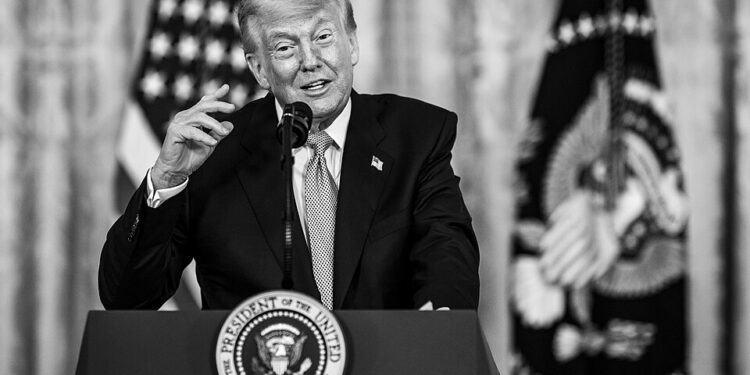
President Donald Trump has once again stirred debate over America’s relationship with its northern neighbor by suggesting that Canada should “give up” and become the 51st state.
It is the kind of statement almost guaranteed to generate strong reactions on both sides of the border.
The United States and Canada have one of the world’s most important economic and strategic relationships. The two countries share an enormous border and have deep connections involving trade, energy, defense, tourism, manufacturing, agriculture, and cultural ties.
Trump has frequently criticized aspects of the U.S.-Canada relationship, particularly when it comes to trade and what he considers unfair economic arrangements. He has also repeatedly floated the idea of Canada becoming part of the United States, sometimes using provocative language to make his point.
Supporters of the idea might argue that closer integration could potentially create economic and strategic advantages. Canada possesses vast natural resources, including oil, natural gas, minerals, timber, and freshwater, while the United States has the world’s largest economy and enormous military and industrial capabilities.
But turning Canada into an American state would obviously be far more complicated than a political slogan.
Canada is a sovereign nation with its own government, constitution, political institutions, national identity, and more than 40 million residents. Any serious attempt at political union would raise enormous constitutional, diplomatic, economic, and democratic questions in both countries.
Critics may therefore view Trump’s comments as unnecessary provocation toward a longtime ally rather than a realistic policy proposal. Supporters may see them as Trump using his unconventional negotiating style to make a broader point about trade, defense, and America’s relationship with Canada.
Either way, the president’s comments have created another debate worth putting directly to voters.