

Yes
He does.
No
He doesn’t.
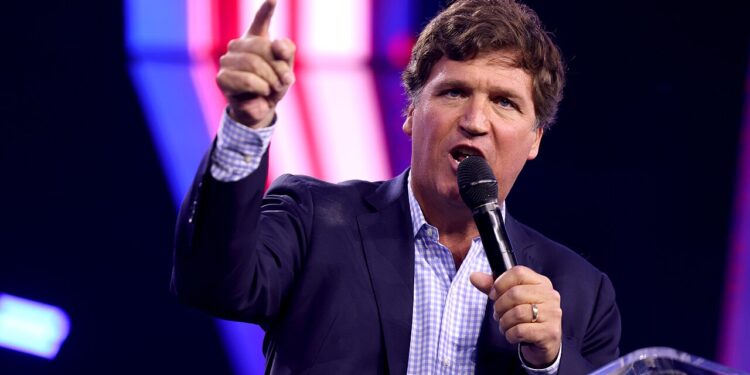
President Donald Trump has never been a stranger to disagreements with prominent voices in the media, including commentators who have traditionally appealed to conservative audiences. That dynamic can become especially noteworthy when criticism comes from someone such as Tucker Carlson, who has built a large following among Americans skeptical of Washington’s political establishment.
Political disagreements between allies and influential commentators raise an interesting question: When does criticism cross a line, and when is it simply part of a healthy political debate?
Trump’s second term has produced major debates over foreign policy, immigration, government power, the economy, and America’s role overseas. Even among Republicans and conservatives, there is not always agreement about how the president should handle every issue.
That is where commentators such as Carlson can play an influential role. Supporters of outspoken political commentary argue that journalists and media personalities should be willing to challenge politicians regardless of party. From that perspective, disagreement with a president does not necessarily require an apology.
Others see things differently. They argue that commentators have a responsibility to be fair and accurate, particularly when discussing a sitting president and decisions that can affect millions of Americans. If criticism becomes personal, misleading, or unfair, they believe an apology may be appropriate.
The larger debate reflects something that has long existed in American politics: Should influential voices stand behind a president they generally support, or should they publicly challenge that president when they believe he is making a mistake?
Trump remains the sitting president, while Carlson remains one of the country’s best-known political commentators. Their differences can therefore attract attention well beyond Washington.
Ultimately, Americans can decide for themselves whether Carlson’s criticism represents legitimate disagreement or whether he has gone far enough that an apology is warranted.