

Yes
I do.
No
I don’t.
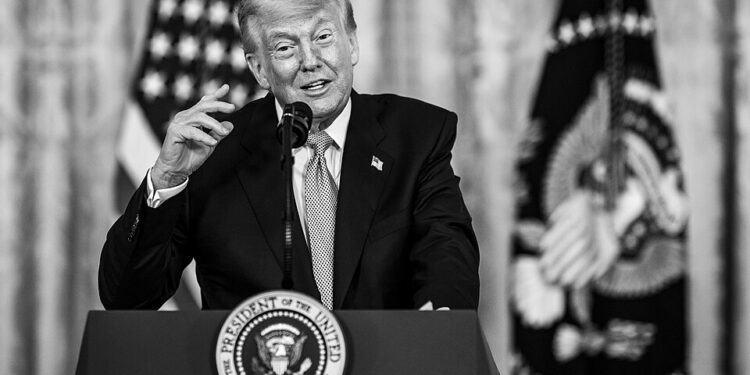
Political campaigns are built around promises, priorities and competing descriptions of what elected leaders intend to do once they have power. Now, as President Donald Trump continues his second administration and the country approaches the 2026 midterm elections, Democrats are arguing that voters should look beyond Trump’s public messaging when evaluating the direction of his presidency.
Accusations that a political opponent has a “hidden agenda” are serious, however, and they should be distinguished from documented government actions. Whether an administration is concealing its intentions is ultimately an interpretation unless specific evidence establishes that particular plans were deliberately withheld.
What voters can examine directly is Trump’s public record.
Since returning to the White House in January 2025, Trump has pursued policies involving immigration, taxes, federal regulations, energy production, trade, elections, artificial intelligence and the federal workforce. The administration has also continued publicly promoting its broader “America First” governing philosophy and regularly publishes executive orders, policy announcements and presidential actions. The White House describes Trump’s current program as an effort to strengthen border enforcement, expand American energy production, reduce regulations and pursue other priorities he campaigned on.
Democrats frequently interpret those policies differently and have accused the administration of pursuing objectives that they say go further than what some voters expected. Republicans, meanwhile, argue that Trump has been unusually direct about many of his priorities and is carrying out policies he openly discussed during the campaign.
Those competing arguments are particularly important ahead of congressional elections because control of the House and Senate can determine how much of a president’s agenda can become law.
Recent political disputes have also centered on economic policy, immigration enforcement, election rules and the administration’s use of executive authority. At the same time, Trump continues publicly campaigning for Republican candidates and defending his administration’s record as voters prepare for the November midterms.
For voters, the key issue may be transparency. Should presidents be judged primarily by what they promised during campaigns, what their administrations actually do once in office, or both? And when political opponents claim there is a larger agenda behind publicly announced policies, how much evidence should voters require before accepting that argument?
Americans have access to competing claims from both parties, along with executive orders, legislation, court records and official government actions that can be used to evaluate those arguments independently.
Now it’s your turn to weigh the claim.