
The Republican Party is facing a difficult question about its future after disappointing midterm election results, with growing discussion among GOP strategists about whether some of the party’s most promising presidential contenders should skip the 2028 election and wait until 2032.
The possibility reflects concerns about President Donald Trump’s political standing, the challenges facing Republicans in Washington, and whether the party can rebuild enough voter confidence before the next presidential election.
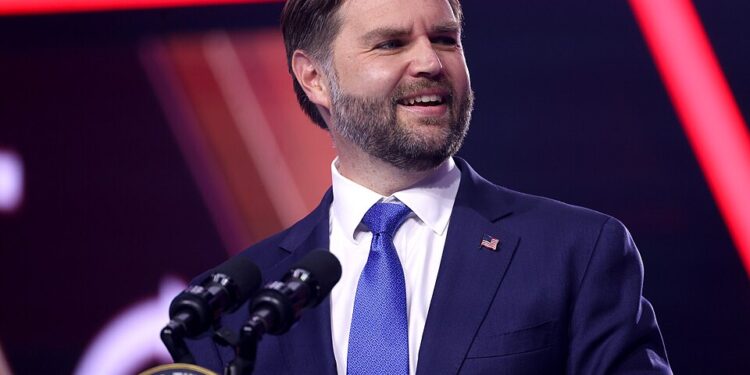
For prominent Republicans such as Vice President JD Vance, the decision could have lasting consequences.
Although 2028 remains two years away, the political calculations are already beginning, and some Republican insiders believe waiting another four years could offer ambitious GOP leaders a better opportunity to win the White House.
Republicans Are Already Looking Beyond 2028
Following the November 2026 midterm elections, Republican strategists are evaluating what the results could mean for the party’s presidential prospects.
The GOP faces significant questions about its ability to attract independent voters while maintaining the enthusiastic conservative base that helped Trump return to the White House in 2024.
According to reporting from The Hill, discussions about the 2032 presidential election are already emerging as Republicans assess the political challenges ahead.
Some strategists believe the next Republican presidential nominee could face an uphill battle if public dissatisfaction with the economy and the Trump administration continues.
That possibility has prompted questions about whether younger Republican leaders should risk their political futures in a difficult election or preserve their opportunities for a future campaign.
However, there is an important distinction between considering a later presidential run and officially withdrawing from the 2028 contest.
The Republican presidential field remains unsettled, and many potential candidates have yet to announce their plans.
JD Vance Faces a Difficult Political Choice
Vice President JD Vance remains a central figure in discussions about the Republican Party’s future.
As Trump’s vice president, Vance holds one of the most visible positions in American politics and has established strong connections with the conservative movement.
His support for the administration’s America First agenda could make him an appealing candidate to Republican primary voters.
However, that same association could create difficulties in a general election if Americans remain dissatisfied with the administration’s handling of major national issues.
Vance would likely face questions about the economy, foreign policy, government spending, and the political controversies surrounding Trump’s second term.
Those issues could become particularly important if Democrats succeed in turning the 2028 election into a referendum on the outgoing administration.
At 42, Vance also has time on his side.
Unlike older political figures who may have limited opportunities to pursue the presidency, Vance could potentially wait until 2032 or beyond without ending his political ambitions.
That flexibility could play an important role in his eventual decision.
Nevertheless, speculation about his future should not be confused with a formal announcement. Vance has not publicly ruled out a presidential campaign in 2028.
Trump’s Political Legacy Could Shape the Next Election
One of the biggest challenges facing Republicans involves determining how closely their next presidential nominee should align with Trump.
The president continues to wield considerable influence within the Republican Party, especially among voters who strongly support his positions on immigration, border security, trade, and government reform.
For Republican candidates, winning over those voters could be essential to securing the presidential nomination.
However, winning a national election requires support beyond the party’s most reliable conservative voters.
Independent voters, suburban households, and Americans concerned about economic conditions could play a decisive role in determining the next president.
That creates a potential dilemma for Republicans hoping to succeed Trump.
A candidate who distances himself too much from the administration could alienate important Republican primary voters.
On the other hand, a candidate who embraces every administration decision could struggle to attract Americans seeking a change in direction.
Finding the right balance could determine whether Republicans remain competitive in 2028.
Economic Frustrations Raise New Concerns for the GOP
The economy remains one of the most important issues facing the Republican Party.
Americans continue to pay close attention to grocery prices, gasoline costs, housing expenses, and the broader cost of living.
For retirees and households managing fixed budgets, even relatively small increases in everyday expenses can create substantial financial pressure.
Republicans must also contend with questions about the ongoing conflict involving Iran and its potential effects on energy prices, federal spending, and economic stability.
Foreign policy developments can quickly influence domestic political debates, particularly when voters believe international events are affecting their financial security.
If economic conditions improve before the 2028 election, Republicans could benefit from renewed confidence in the administration’s policies.
However, continued financial uncertainty could strengthen Democratic arguments that voters should elect a different party to lead the country.
Political strategists understand that presidential elections often hinge on whether Americans feel financially secure and optimistic about the future.
For Republicans considering a White House campaign, those economic conditions could weigh heavily in the decision to run.
Could Ron DeSantis and Other Republicans Wait Until 2032?
The uncertainty surrounding 2028 also raises questions about other prominent Republican figures.
Florida Governor Ron DeSantis, who challenged Trump for the Republican presidential nomination in 2024, remains a recognizable figure among conservative voters.
His political reputation has been built around his record in Florida and his positions on education, government regulation, public safety, and other conservative priorities.
Texas Senator Ted Cruz is another established Republican politician with previous presidential campaign experience.
Both illustrate the choices facing Republicans with national ambitions.
Entering a difficult presidential race could provide valuable exposure and potentially lead to a major political breakthrough.
However, a costly defeat could damage a candidate’s reputation and weaken future fundraising opportunities.
For politicians who believe they could remain competitive for another decade or longer, waiting until 2032 could seem like a reasonable alternative.
Still, neither the political environment in 2028 nor the circumstances surrounding the 2032 election can be predicted with certainty.
A candidate who waits for a better opportunity could discover that the Republican field becomes even more competitive in the future.
Some Republicans Believe Giving Up on 2028 Would Be a Mistake
Not every Republican strategist agrees that the party should begin looking beyond the next presidential election.
There is also a strong argument that Republicans have sufficient time to recover from their midterm setbacks.
American politics can change quickly, and the political conditions facing voters in November 2026 may look very different by November 2028.
An improvement in economic confidence, reduced international tensions, or successful administration policies could strengthen the Republican Party’s position.
Democrats could also face political difficulties of their own as they attempt to meet voter expectations.
Republicans who oppose waiting until 2032 argue that the party should focus on rebuilding its message rather than assuming defeat.
That means addressing economic concerns, explaining conservative policy priorities, and presenting voters with a clear vision for the country’s future.
The next Republican nominee may also have an opportunity to appeal to Americans who agree with certain Trump policies but want a different leadership style.
For these Republicans, the 2028 election represents an opportunity that should not be surrendered before the campaign has even begun.
Who Will Lead the Republican Party After Trump?
The debate over 2028 reflects a larger question about the Republican Party’s future.
Trump has reshaped the GOP over the past decade, creating a political movement centered on border security, economic nationalism, opposition to Washington’s political establishment, and an America First approach to governing.
The next Republican presidential nominee will face the challenge of deciding how that movement should evolve.
Some conservatives favor maintaining Trump’s political agenda while selecting a new leader capable of building broader national support.
Others believe the party needs to adjust its priorities to address changing economic conditions and the concerns of voters who have become less enthusiastic about Republican leadership.
Those competing approaches could create significant disagreements during the next presidential primary.
Trump’s eventual endorsement could also influence the outcome, although the president has not officially selected a successor.
Until the party’s leading figures make their intentions clear, the Republican presidential nomination will remain an open contest.
Republicans Face a Defining Decision Before 2028
The growing discussion about delaying presidential ambitions until 2032 highlights the uncertainty facing Republicans after the midterm elections.
For younger GOP leaders, the choice involves more than deciding when to launch a campaign.
It requires evaluating the political environment, the strength of the Democratic opposition, and whether voters are prepared to support another Republican administration.
A difficult election could discourage some potential candidates from entering the race.
Yet a successful Republican comeback could also create an opportunity for a new conservative leader to emerge as the party’s next national standard-bearer.
Much will depend on what happens during the remaining two years of Trump’s presidency.
Economic conditions, international developments, congressional battles, and the president’s political standing could all reshape the Republican field.
For now, the biggest question facing the GOP is whether its rising stars will compete for the White House in 2028 or decide that their best chance of becoming president lies in 2032.
The answer could determine the direction of the Republican Party for years to come.