
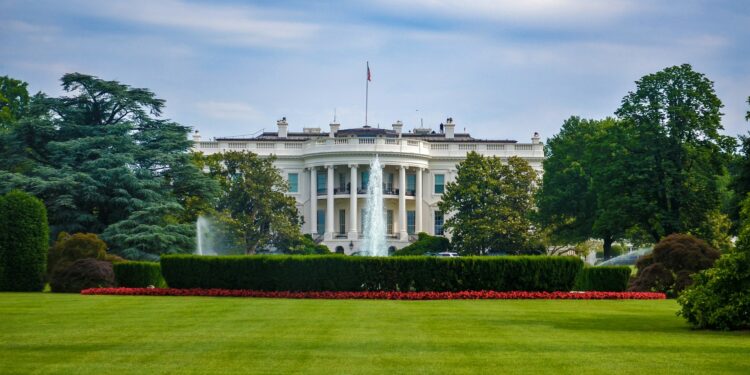
The battle for the White House in 2028 has taken an unexpected turn following the November midterm elections, with major Democratic victories creating new presidential possibilities and forcing Republicans to reconsider their political future.
The election results have dramatically changed expectations for several prominent political figures, including Vice President JD Vance, Florida Gov. Ron DeSantis, and Georgia Democratic Sen. Jon Ossoff.
While Democrats are celebrating significant victories across the country, Republicans are facing growing questions about their ability to regain the confidence of American voters.
With President Donald Trump unable to seek another term under the Constitution, the competition to determine who will succeed him is already attracting considerable attention.
And the latest election results suggest the 2028 presidential race could be far more competitive than previously anticipated.
Georgia Election Results Put Jon Ossoff in the Spotlight
One of the biggest developments involves Georgia Democratic Sen. Jon Ossoff, whose decisive reelection victory has significantly increased speculation about his presidential ambitions.
Ossoff defeated Republican Rep. Mike Collins by approximately 18 percentage points, delivering a commanding victory in a state Trump carried during the 2024 presidential election.
The outcome immediately attracted attention from national Democratic strategists searching for a candidate capable of winning competitive states.
Ossoff, 39, has also experienced a substantial increase in his standing on political betting markets.
According to figures reported by the New York Post on November 14, his estimated probability of winning the 2028 presidential election reached approximately 27% on Polymarket.
Those figures reflect betting-market expectations rather than scientific polling or a guarantee of future election results.
Despite the growing attention, Ossoff has previously dismissed suggestions that he intends to run for president.
However, his ability to secure an overwhelming victory in a closely watched battleground state has made him difficult for political observers to ignore.
For Republicans, the Georgia outcome raises important questions about how the party can strengthen its position in states that remain competitive during presidential elections.
Alexandria Ocasio-Cortez Could Enter the Presidential Race
New York Democratic Rep. Alexandria Ocasio-Cortez is another political figure receiving renewed attention following the midterms.
The progressive congresswoman has developed a national following through her outspoken positions on economic policy, government spending, and social programs.
Her political influence has also expanded through campaign appearances alongside Vermont Sen. Bernie Sanders.
Several candidates supported by the progressive movement performed well in the midterm elections, potentially strengthening Ocasio-Cortez’s standing within the Democratic Party.
Political strategist Doug Schoen suggested that these victories could encourage her to pursue a presidential campaign.
However, Ocasio-Cortez would likely face a difficult political challenge if she decides to seek the Democratic nomination.
Her progressive policy positions could appeal to the party’s liberal voters while raising concerns among moderates and independents.
That divide could become a central issue during the 2028 Democratic presidential primary.
Kamala Harris and Other Democrats Consider Their Futures
Former Vice President Kamala Harris could also benefit from the Democratic Party’s strong election performance.
Despite losing the 2024 presidential election to Trump, Harris remains a familiar figure among Democratic voters.
Her continued involvement in national politics and support for Democratic candidates could provide a foundation for another campaign.
However, Harris would face competition from a growing list of potential presidential contenders.
Pennsylvania Gov. Josh Shapiro, Kentucky Gov. Andy Beshear, and Arizona Sen. Mark Kelly are among the Democrats being discussed as possible candidates.
California Gov. Gavin Newsom and former Transportation Secretary Pete Buttigieg could also become significant figures in the race.
Georgia Sen. Raphael Warnock has received additional attention following Democratic victories in his home state.
The expanding field presents Democrats with an important decision about the party’s future direction.
Some voters may favor candidates who support more progressive policies, while others could seek someone with a more moderate political approach.
The outcome of that internal debate could significantly influence the party’s chances in 2028.
JD Vance Faces Unexpected Political Setback
On the Republican side, Vice President JD Vance has encountered new political challenges following the disappointing midterm results.
Vance has long been considered a leading possibility to succeed Trump as the Republican presidential nominee.
His close relationship with the president and strong standing among many conservative voters have helped establish him as a prominent figure within the party.
However, the Republican losses have raised questions about whether voters will seek a different political direction in 2028.
According to the November 14 New York Post report, Vance’s estimated chances of winning the presidency had fallen to approximately 19% on Polymarket.
The decline reflects uncertainty about the Republican Party’s electoral prospects following the midterms.
Republican strategists are now examining the issues that may have contributed to the party’s defeats.
The ongoing war with Iran, tariff policies, federal spending, and concerns about the cost of living have become major subjects of political debate.
For Vance, the challenge may involve defending the administration’s record while presenting a clear vision for the country’s future.
Ron DeSantis and Marco Rubio Could Challenge Vance
The Republican setbacks could create new opportunities for other prominent conservatives.
Florida Gov. Ron DeSantis, who previously competed against Trump for the Republican presidential nomination, has attracted renewed attention.
DeSantis pointed to Florida’s relatively strong Republican performance as evidence that the party can still win elections despite difficult national conditions.
His record as governor could become an important part of another presidential campaign.
Meanwhile, Secretary of State Marco Rubio remains a possible contender.
Trump has previously mentioned both Rubio and Vance as political figures capable of continuing his administration’s agenda.
Although Rubio has indicated that he intends to remain focused on his current responsibilities, speculation about his future has persisted.
Texas Sen. Ted Cruz and Kentucky Sen. Rand Paul are also being discussed as possible candidates.
Paul has publicly questioned the administration’s approach to the Iran war, tariffs, and federal deficits.
These disagreements could eventually become major issues in the Republican presidential primary.
The party may face a choice between candidates closely associated with Trump’s administration and those offering a different strategy for winning national elections.
Economic Issues Could Determine the 2028 Election
Beyond the growing list of presidential hopefuls, the midterm results have highlighted issues that could shape the next election.
The cost of living remains a major concern for American families.
Housing expenses, grocery prices, healthcare costs, taxes, and retirement security are all likely to influence voters as they evaluate future presidential candidates.
Social Security and Medicare could also become important subjects during the campaign, particularly as candidates explain their plans for federal spending and long-term economic stability.
Republicans will face pressure to demonstrate how their policies can improve economic conditions and restore confidence among voters who supported Democratic candidates in November.
Democrats, meanwhile, will need to show that their election victories can produce practical solutions to the nation’s challenges.
Both parties also face internal disagreements about foreign policy, government spending, and the appropriate role of federal leadership.
Candidates who successfully address these concerns could gain a significant advantage as the presidential race develops.
What the Election Results Mean for 2028
The 2026 midterm elections have already changed the political outlook for the next presidential contest.
Democrats are entering the early stages of the campaign with several potential candidates gaining national attention.
Republicans are confronting difficult questions about leadership, policy priorities, and how to rebuild their electoral coalition.
Vance remains an important figure in the Republican Party, but DeSantis, Rubio, and other conservatives could present serious competition.
On the Democratic side, Ossoff’s victory has placed him among the most closely watched potential candidates, even though he has denied presidential ambitions.
With two years remaining before Americans choose their next president, much could change.
Early betting odds, political speculation, and midterm election results do not determine who will win the White House.
Nevertheless, one thing is already evident: The November elections have reshaped the political landscape, and the fight for the presidency in 2028 is beginning much earlier than many Americans expected.