
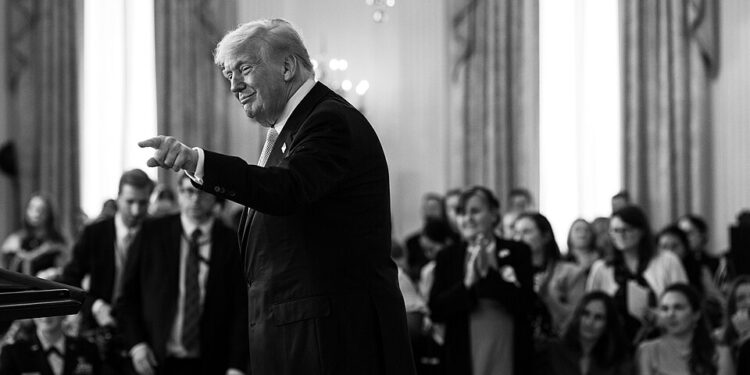
President Donald Trump’s latest financial disclosure is fueling a new political battle in Washington, with Democrats pointing to his growing personal wealth while Republicans argue the focus should remain on the economy, tax relief, and border security ahead of the 2026 midterm elections.
The newly released disclosure shows Trump reported earning more than $2 billion during 2025, including roughly $1.2 billion from cryptocurrency-related ventures. The figures represent a sharp increase from the approximately $600 million in income he reported the previous year.
The financial report has quickly become a talking point for Democrats, who argue it raises questions about the president’s financial success while many Americans continue facing higher prices and economic uncertainty. Republicans, meanwhile, say the criticism is another politically motivated effort to distract from the administration’s policy achievements.
Trump Financial Disclosure Reveals Record Earnings
According to the disclosure, a large portion of Trump’s reported income came from digital asset investments and businesses connected to the Trump family.
The filing shows Trump earned approximately $594 million through World Liberty Financial, the cryptocurrency company launched alongside his sons in 2024.
Another estimated $635 million came from the $TRUMP meme coin, which was introduced shortly before his inauguration.
Beyond cryptocurrency, Trump also reported receiving approximately $86.5 million from legal settlements involving several major media and technology companies, including ABC, CBS, Meta, YouTube, and X.
Trump Business Empire Continues Generating Revenue
Trump’s real estate holdings remained another major source of income.
His Mar-a-Lago resort reportedly generated more than $77 million during the year, while his golf properties across Florida, New York, New Jersey, and Scotland produced a combined $252 million in revenue.
Additional reporting has also highlighted a mining investment involving Commerce Secretary Howard Lutnick and an investment company connected to Trump’s sons. Democrats have questioned the arrangement, while supporters argue the Trump family’s private business activities remain separate from the president’s official responsibilities.
Democrats Renew Criticism Ahead of Midterms
Democratic lawmakers wasted little time criticizing the financial disclosures.
Sen. Adam Schiff argued on social media that Trump’s financial success highlights what he believes are ethical concerns surrounding the presidency. Rep. Angie Craig similarly accused the president of prioritizing his own financial interests over those of working Americans.
Some Democratic strategists also suggested the disclosures could make it more difficult for Republicans to connect with voters who continue struggling with the cost of living.
Douglas Holtz-Eakin, president of the American Action Forum, acknowledged that political optics matter during periods of economic uncertainty. He noted that voters generally prefer leaders who appear connected to the financial challenges facing everyday Americans.
White House Pushes Back Against Democratic Attacks
The White House rejected the criticism, accusing Democrats of attempting to change the subject after years of defending policies that Republicans blame for higher inflation and increased illegal immigration.
Administration officials argued that Democrats are focusing on Trump’s personal finances because they lack a stronger message on issues voters care most about, including taxes, public safety, border security, and economic growth.
Republican campaign officials also dismissed the attacks, saying voters are more concerned about keeping more of their paychecks, lowering taxes, and improving the economy than debating the president’s financial disclosures.
Economy Remains the Top Issue for American Voters
The political debate comes as the economy continues to dominate voter concerns.
Inflation has remained above the Federal Reserve’s long-term target, while many families continue dealing with elevated grocery prices, housing costs, insurance premiums, and other everyday expenses.
The latest employment report also showed slower hiring than economists expected, adding to concerns about the pace of economic growth.
At the same time, major stock indexes—including the S&P 500 and Nasdaq—have posted strong gains, creating a mixed economic picture in which financial markets have performed well even as many households continue feeling pressure from higher living costs.
Consumer confidence has also remained below historical averages, reflecting ongoing concerns about inflation and household budgets.
Trump Defends Cryptocurrency and Financial Success
When asked about criticism surrounding his financial disclosures, Trump said he is not directly involved in managing his personal business operations.
The president also rejected claims that he is improperly benefiting from serving in office, arguing that rising financial markets have benefited investors across the country.
Discussing cryptocurrency in a CNBC interview, Trump said the United States must remain competitive in the rapidly growing digital asset industry, warning that falling behind could allow China to gain a strategic advantage.
He also pointed to the strength of the stock market as one indicator of economic performance, a measure he has frequently highlighted throughout his time in public office.
Republicans Say Their Focus Is on Policy Results
Republicans argue that voters will ultimately judge candidates based on their records rather than political attacks.
GOP leaders continue highlighting legislative priorities such as extending tax relief, strengthening border security, expanding domestic energy production, and encouraging job creation.
They also point to proposals aimed at lowering taxes for working families, supporting American manufacturing, and reducing government regulations that they believe slow economic growth.
Meanwhile, Democrats are expected to continue emphasizing affordability, healthcare costs, and concerns surrounding ethics and government accountability as the campaign season accelerates.
2026 Midterm Elections Are Taking Shape
With the 2026 midterm elections approaching, both parties are preparing sharply different messages for voters.
Democrats are expected to continue highlighting Trump’s financial disclosures and personal wealth, while Republicans plan to focus on tax cuts, economic growth, border security, inflation, and public safety.
Whether voters place greater emphasis on the president’s financial success or on broader economic conditions will likely become one of the defining questions of the midterm campaign. As both parties intensify their messaging, the economy—and how Americans feel about their own financial future—is expected to remain the issue that matters most at the ballot box.