

Yes
I do.
No
I don’t.
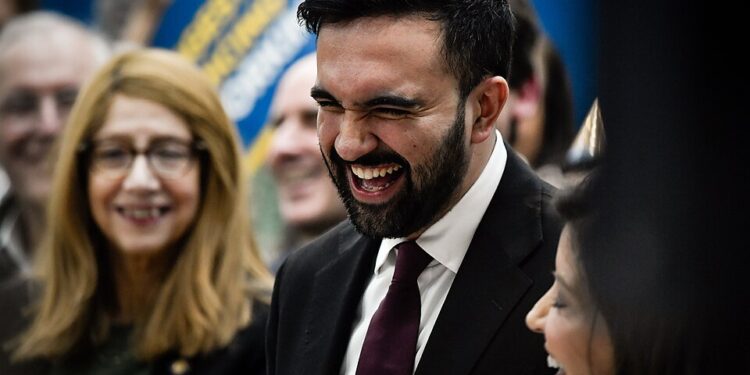
President Donald Trump and New York Democratic Mayor Zohran Mamdani continue to offer sharply different views on the nation’s economic policies. Their competing visions have become part of a larger national debate over taxes, government spending, and economic opportunity.
Mamdani has argued that Trump’s economic agenda primarily benefits wealthy Americans and large corporations through tax reductions and business-friendly policies. Supporters of Mamdani believe greater government investment and higher taxes on top earners could help fund public services and reduce income inequality.
Trump and many Republicans strongly disagree with that assessment. They argue that lowering taxes, reducing regulations, and encouraging private-sector investment help businesses grow, create jobs, and raise wages across the economy. Supporters contend that economic growth benefits workers, consumers, retirees, and families at every income level rather than only the wealthy.
Economists and policy analysts continue to debate the long-term effects of different tax and spending approaches. While some research suggests tax reductions can encourage investment and business expansion, other studies focus on questions involving income distribution, federal deficits, and government revenue.
The discussion remains one of the central political issues facing the country, with Americans expressing a wide range of opinions about how government should promote economic growth while addressing affordability, wages, and the national debt.
As political leaders continue presenting different approaches to the economy, voters will ultimately decide which vision they believe best serves the country’s future.
What do you think?