

Yes
It should.
No
It shouldn’t.
Texas is entering a new political chapter following one of the most surprising results of the 2026 midterm elections. Democrat Gina Hinojosa defeated longtime Republican Governor Greg Abbott, ending more than three decades without a Democrat winning the Texas governor’s office.
Her victory represents a major shift in a state that has played a central role in national debates over illegal immigration, border enforcement, and the relationship between state officials and the federal government.
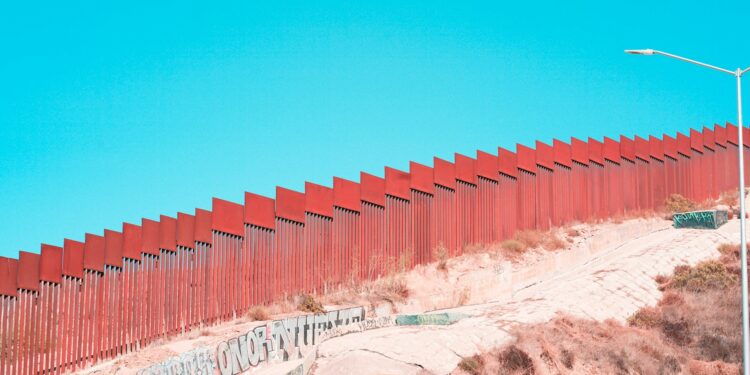
As Texas prepares for new leadership, one of the biggest questions involves whether border security will remain a major priority under the incoming Democratic administration.
For years, Abbott placed considerable emphasis on border enforcement, supporting additional security measures and frequently challenging federal immigration policies. Texas became a focal point in disputes over how much authority states should have when addressing immigration-related concerns.
Now, with President Donald Trump serving his second term in the White House, Texas faces a different political situation.
The Trump administration has emphasized stronger immigration enforcement, expanded border security measures, and efforts to reduce unlawful crossings. Cooperation between federal and state officials could play an important role in determining how these policies affect Texas communities.
Supporters of maintaining border security as a top state priority argue that Texas faces unique challenges because of its extensive international border with Mexico.
They believe state leaders must remain focused on public safety, drug trafficking, immigration enforcement, and protecting communities affected by border-related issues.
Others argue that the new governor should reevaluate how Texas spends its resources and place greater emphasis on education, healthcare, infrastructure, housing affordability, and other concerns affecting families throughout the state.
Those favoring a different approach may still support border enforcement while questioning whether previous policies delivered the best results for taxpayers.
Hinojosa will face the challenge of governing a politically diverse state where voters hold strong opinions about immigration and public safety.
Her decisions could also influence the relationship between Texas and Washington, particularly if state officials disagree with the Trump administration over enforcement priorities.
Ultimately, the debate involves more than partisan politics. It concerns how Texas balances public safety, responsible government spending, economic stability, and the needs of its residents.