

Yes
I do.
No
I don’t.
President Donald Trump has made public safety and law enforcement in Washington, D.C., an important part of his administration’s domestic agenda, raising new questions about the federal government’s role in protecting the nation’s capital.
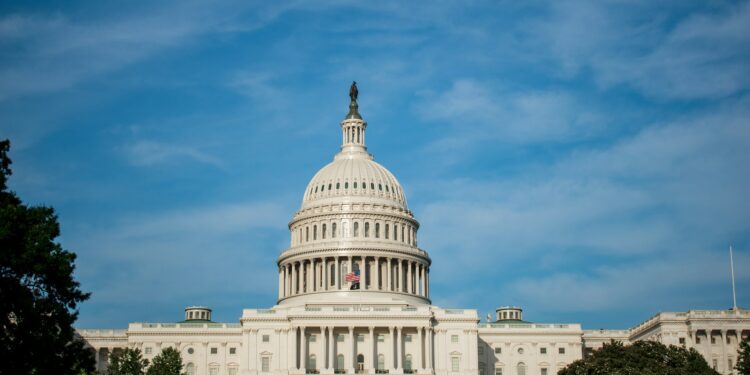
Washington is home to the White House, Congress, the Supreme Court, numerous federal agencies, and some of America’s most recognizable national landmarks.
Every year, the city welcomes millions of visitors, including families, students, international tourists, and Americans who travel to the capital to participate in government activities.
Maintaining security in Washington is therefore an issue that extends well beyond local politics.
President Trump has supported an expanded federal law enforcement presence in the city, including the deployment of National Guard personnel to assist with public safety operations.
His administration has argued that federal involvement can help protect residents, government employees, visitors, and important institutions.
The increased security presence has also generated debate about the appropriate balance between federal authority and local control.
Supporters of Trump’s approach believe the federal government has a special responsibility to ensure that the nation’s capital remains safe and accessible. They argue that coordination between federal agencies, local police, and National Guard personnel can strengthen security and discourage criminal activity.
Others question whether an expanded federal presence is the most effective long-term solution.
Critics have raised concerns about the use of military personnel in domestic law enforcement support roles, the costs associated with extended deployments, and the importance of allowing local officials to manage community policing priorities.
Washington’s public safety challenges also involve issues that cannot necessarily be resolved through increased patrols alone.
Community relationships, emergency preparedness, investigations, criminal justice policy, and coordination between agencies all play important roles in maintaining a secure environment.
The debate comes as Americans continue evaluating President Trump’s broader approach to law enforcement and public safety.
Some voters place particular importance on visible security measures and strong federal leadership. Others emphasize measurable crime reductions, accountability, and cooperation with local communities.
Both perspectives raise questions about how success should be determined and who should ultimately be responsible for security decisions in the District of Columbia.
With important federal institutions operating in the capital every day, maintaining public confidence in security arrangements remains an ongoing responsibility.