

Yes
I do.
No
I don’t.
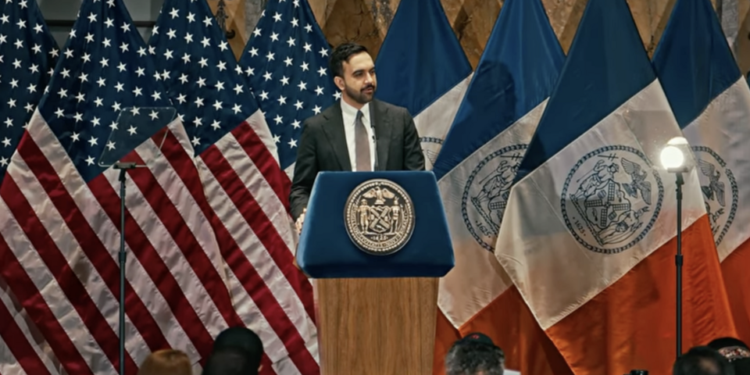
Political rhetoric has become increasingly heated in recent years, with elected officials, candidates, media personalities, and political allies frequently using sharp language to criticize opponents. One recent example involved a prominent Trump ally referring to New York political figure Zohran Mamdani as a “clown,” a remark that quickly drew attention across social media and political news outlets.
Supporters of the comment argue that strong political criticism is nothing new in American politics. They believe elected officials and public figures should expect vigorous debate and pointed language when advocating controversial policies or positions. Many also argue that colorful political rhetoric has long been part of campaigns and public discourse.
Critics, however, believe personal insults often distract from meaningful discussions about policy. They argue that debates are more productive when public officials focus on ideas, legislation, and governing rather than name-calling.
Mamdani has become a nationally recognized political figure whose policy proposals have generated strong reactions from both supporters and opponents. His positions on housing, taxation, public safety, and economic issues have made him a frequent target of criticism from conservatives while earning praise from many progressives.
President Donald Trump and many of his allies have consistently challenged progressive policies, particularly those associated with major cities such as New York. As a result, exchanges between Trump’s supporters and progressive leaders often become highly visible and widely discussed.
Political language frequently reflects the intensity of today’s public debates, and voters often disagree not only about policy but also about the tone leaders should use when discussing their opponents.
Now we’d like your opinion.