

Yes
He should.
No
He shouldn’t.
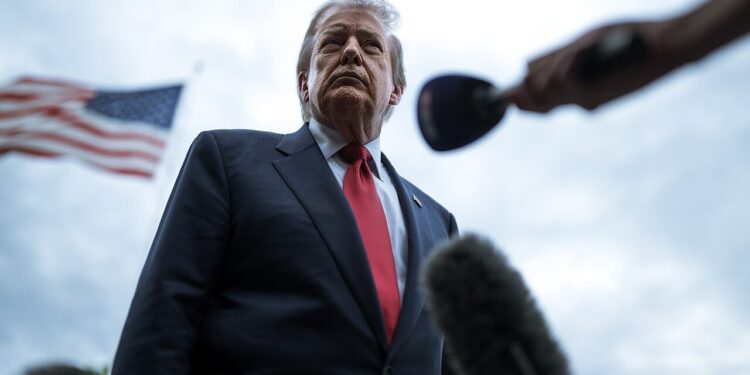
President Donald Trump has never been known for holding back when criticizing his political opponents. Throughout his political career, he has often used strong language to describe Democratic leaders and their policies, arguing that many of their proposals move the United States further away from traditional American values. His latest comments, in which he referred to Democrats as “communists,” have once again sparked a nationwide debate over political rhetoric.
Supporters of President Trump argue that his remarks reflect growing concerns about expanding government programs, increased federal spending, and progressive policies they believe resemble socialist or communist systems. They say the president is emphasizing what he sees as the long-term direction of the Democratic Party rather than making a literal accusation. Many also believe his blunt style is one of the reasons voters continue to support him.
Critics, however, argue that comparing political opponents to communists only deepens political divisions and makes constructive debate more difficult. They contend that elected officials should focus on discussing policy differences instead of using labels that many Americans consider inflammatory. Some believe the comments distract from important issues such as the economy, immigration, national security, and inflation.
Political rhetoric has become increasingly heated in recent election cycles, with leaders from both major parties frequently accusing one another of threatening America’s future. While supporters often view this language as passionate advocacy, opponents see it as contributing to greater polarization across the country.
The discussion also raises broader questions about the role of presidential leadership. Should a president use forceful language to energize supporters and draw sharp contrasts with political opponents? Or should presidents seek more measured language, even during heated political disagreements?
As Americans continue debating the direction of the country, opinions remain sharply divided over where political leaders should draw the line between tough criticism and unnecessary personal attacks.