

Yes
He is.
No
He isn’t.
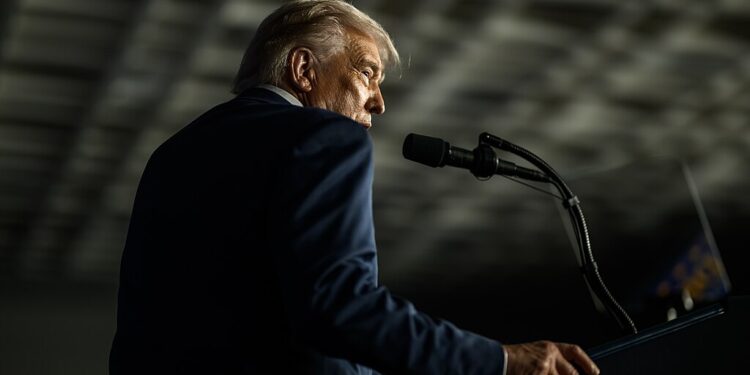
President Donald Trump has repeatedly warned that the Democratic Party is moving further to the left, arguing that some progressive proposals resemble socialist or even communist-style policies. He has used this message during speeches, interviews, and campaign events, saying that America’s economic system and individual freedoms could be threatened if those ideas become law.
Democratic leaders strongly reject that characterization. They argue that proposals involving expanded government programs, healthcare reforms, or increased regulation are designed to address economic inequality and improve public services—not replace America’s free-market system. Many Democrats say accusations of communism are political rhetoric intended to energize voters rather than accurately describe their policy platform.
The disagreement reflects one of the biggest ideological divides in American politics today. Republicans generally advocate for lower taxes, reduced government regulation, and expanded private-sector solutions. Democrats often support a larger government role in areas such as healthcare, education, and social programs. Supporters on both sides believe their approach is the best path for the country’s future.
Political analysts note that campaign messaging frequently uses strong language to highlight differences between parties, particularly during election cycles. As debates over spending, taxation, and government involvement continue, voters are left to decide whether the warnings reflect legitimate concerns or campaign strategy.
The discussion has become a central issue for many Americans who are weighing the future direction of the country’s economy, government, and political system.