

Yes
I do.
No
I don’t.
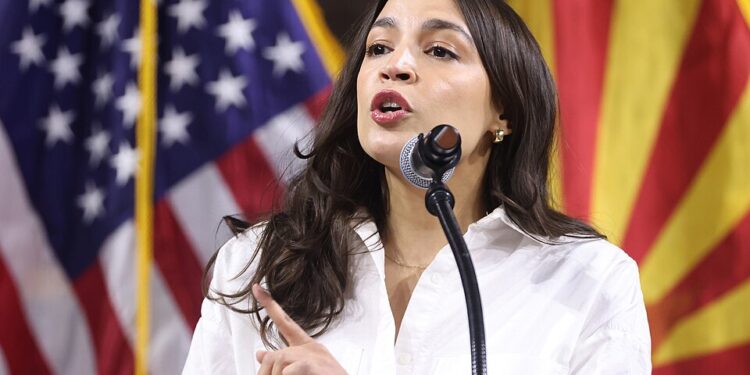
President Donald Trump recently suggested that Democrats would face significant challenges in a future presidential election if Rep. Alexandria Ocasio-Cortez were to become the party’s nominee. His comments reflect ongoing debates about the direction of the Democratic Party and whether progressive or moderate candidates are better positioned to appeal to voters nationwide.
Ocasio-Cortez has become one of the Democratic Party’s most recognizable political figures, earning strong support from many progressives while also drawing criticism from conservatives. She has championed policies involving climate change, healthcare, labor issues, and economic reform, making her an influential voice within the party. At the same time, some Democratic strategists have questioned whether the party should focus on more moderate candidates in competitive national elections.
Political observers note that presidential campaigns often center on turnout, independent voters, economic conditions, and the issues most important to Americans at the time of the election. While some believe a progressive nominee could energize younger voters and the party’s base, others argue that a more centrist candidate may have broader appeal in key swing states.
At this stage, any discussion about future presidential candidates remains speculative, and election outcomes depend on many factors, including campaign strategy, voter turnout, the economy, and the political environment.
As both parties continue shaping their future leadership, Americans are closely watching how potential candidates could influence the next presidential race.