

Yes
It is.
No
It isn’t.
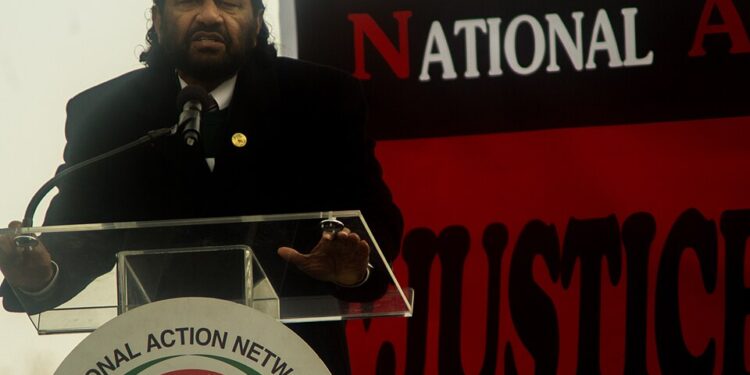
Longtime Democratic Congressman Al Green is once again making headlines after losing political support in a major vote that many conservatives are celebrating as a turning point. Green, known for his repeated criticism of President Donald Trump over the years, became one of the most outspoken anti-Trump voices in Washington during both Trump administrations.
Conservative voters have often accused Green of focusing more on political attacks than addressing issues affecting everyday Americans. Throughout Trump’s presidency, Green pushed multiple impeachment-related efforts and frequently appeared in national media criticizing Republican policies. Many Trump supporters viewed him as part of the broader establishment opposition trying to block the president’s agenda.
Now, after recent political setbacks, conservatives say Green’s influence appears to be fading. Supporters of President Trump argue this reflects a larger shift happening across the country, where voters are growing tired of divisive political rhetoric and are instead prioritizing border security, economic growth, law enforcement support, and national stability.
Democrats, however, continue defending Green’s legacy, saying he fought for civil rights and held powerful leaders accountable. Liberal activists argue that removing strong opposition voices from government weakens political debate and limits checks on presidential power.
Political experts note that the situation highlights the deep divide currently shaping American politics. As President Trump continues advancing his second-term agenda, many longtime critics inside Congress are facing growing pressure from both voters and shifting political dynamics nationwide.
The question now being debated by many Americans is whether Al Green losing political power represents positive change for the country — or whether it signals increasing political polarization in Washington.