

Yes
It is.
No
It isn’t.
President Donald Trump is reportedly considering selecting a male White House press secretary, a potential personnel decision that has sparked discussion about the administration’s communication strategy and its relationship with the national media.
According to reports published in November 2026, individuals familiar with the selection process have indicated that Trump is leaning toward appointing a man to the high-profile position.
However, the president has not publicly finalized his next permanent selection, leaving questions about who will ultimately represent the administration during White House press briefings.
The press secretary holds one of the most visible communication positions in the federal government.
The individual serving in this role is responsible for explaining presidential decisions, responding to questions from journalists, communicating administration policies, and helping Americans understand the White House’s positions on national issues.
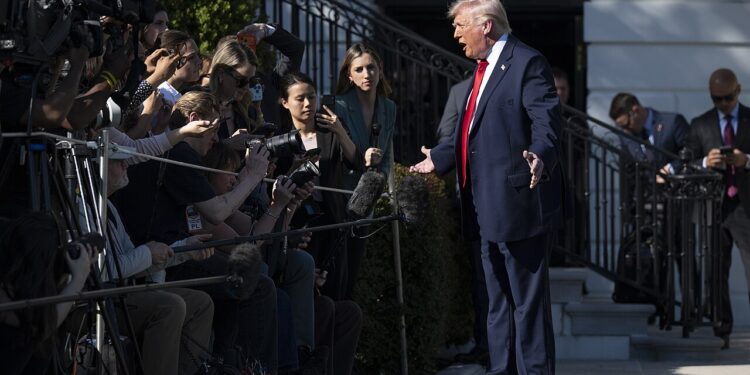
During Trump’s presidency, the position has attracted considerable attention because of frequent disagreements between the administration and major news organizations.
Previous press secretaries have faced challenging questions involving immigration, economic policy, foreign affairs, government spending, and political controversies.
The administration’s next selection could therefore play a significant role in shaping how its message reaches the American public.
Among the individuals reportedly receiving consideration are conservative commentator Ben Ferguson and CNN political commentator Scott Jennings, both of whom have experience discussing and defending Republican political positions.
Other names have also circulated, although no final decision has been announced.
Supporters of choosing a new communication style may argue that the administration could benefit from a different approach to press briefings, particularly following the Republican Party’s disappointing performance in the 2026 midterms.
Some may believe that selecting a male spokesperson could provide a noticeable change in presentation and public perception.
Others argue that gender should not influence the selection process. From that perspective, professional qualifications, communication skills, knowledge of government policy, and the ability to handle challenging questions should determine who receives the position.
The broader debate involves more than the identity of the next press secretary.
Americans also have differing expectations about how the White House should communicate with journalists and the public.
Some favor a more confrontational approach when reporters challenge the administration. Others prefer measured responses, detailed explanations, and an emphasis on transparency.
With important policy debates expected during the remainder of Trump’s presidency, the next press secretary will likely face substantial public scrutiny.