
A multimillion-dollar renovation of the Lincoln Memorial Reflecting Pool is generating fresh controversy in Washington after its newly treated surface faded, peeled and developed an algae problem.
The work was supposed to restore one of America’s most recognizable landmarks before the nation’s July 4 celebration. Instead, the project has raised questions about its durability, rising taxpayer costs and the federal government’s contracting decisions.
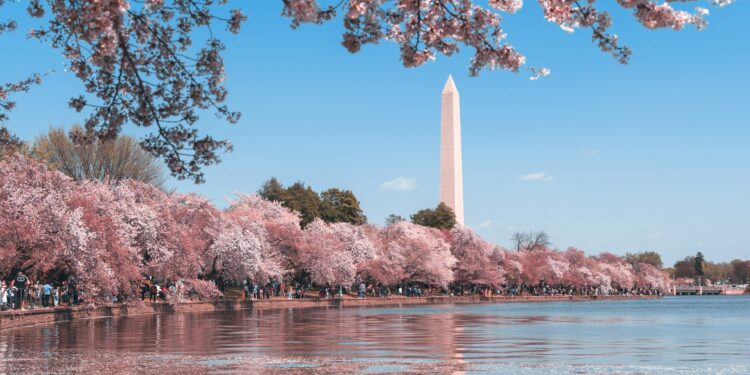
Recent photographs taken from the Washington Monument show that the bottom of the Reflecting Pool now appears more gray than blue. That is a noticeable change from the brighter blue coating selected to complement the colors of the American flag.
Reflecting Pool Project Cost More Than $14 Million
The Interior Department awarded Atlantic Industrial Coatings, a Virginia-based company, a no-bid contract valued at more than $14.6 million.
The company was hired to repaint and waterproof the concrete floor of the Lincoln Memorial Reflecting Pool. Work was completed last month, meeting President Donald Trump’s July 4 deadline.
Problems reportedly developed soon afterward.
An algae bloom gave the water a green appearance, while sections of the new blue coating began peeling away from the bottom. The visible deterioration attracted unwanted attention to a project that had only recently been completed.
For Americans concerned about wasteful government spending, the situation presents a frustrating question: Why did such an expensive renovation encounter problems so quickly?
Another Federal Contract Added To Taxpayer Cost
The Interior Department later awarded Green Water Solutions of Ohio a separate no-bid contract worth more than $1.7 million to address the algae.
The company installed a nanobubble ozone system designed to destroy algae and other unwanted organisms in the water.
Combined, the two contracts exceeded $16 million—an eye-catching total for taxpayers who expect federal agencies to protect both historic landmarks and public money.
The New York Times reported, based on federal contracting records, that Green Water Solutions is owned by John J. Cafaro. The newspaper described Cafaro as a Trump donor who lives near the president’s Mar-a-Lago property in Florida.
That connection does not by itself establish wrongdoing. However, it has added another layer of political scrutiny to an already troubled Washington project.
Trump Points To Alleged Vandalism
President Trump has blamed at least some of the peeling on vandalism. Federal authorities have arrested multiple individuals accused of damaging the Reflecting Pool’s new surface.
One of those charged is David Hearn, a former American Olympic canoeist who participated in three Olympic Games.
A federal grand jury indicted Hearn on July 2 after prosecutors alleged that he used both hands to forcefully pull up part of the pool’s bottom liner. Authorities claim he caused more than $1,000 in damage to approximately two square feet of sealant.
Hearn pleaded not guilty and disputes the government’s version of events.
He told The Washington Post that he merely grabbed the end of a piece of material that was already peeling. Hearn maintains that he did not break, destroy or intentionally remove the coating.
His case could help clarify whether deliberate actions caused some of the damage or whether the renovated surface was already separating before visitors touched it.
Was Vandalism Or Workmanship Responsible?
The key dispute now centers on what caused the new coating to fail.
Federal officials have emphasized alleged vandalism, while Hearn’s account suggests the material was already loose. Meanwhile, the algae outbreak and faded appearance have created additional questions unrelated to the criminal case.
A thorough investigation could determine whether the problems resulted from vandalism, environmental conditions, the materials used or the quality of the original work.
Americans deserve a clear answer, particularly when more than $16 million in federal contracts are involved.
Washington Renovation Becomes Political Headache
The Lincoln Memorial Reflecting Pool holds a special place in American history. Located between the Lincoln Memorial and the Washington Monument, it has served as the backdrop for presidential events, patriotic celebrations and defining moments in the nation’s past.
That makes its maintenance more than an ordinary construction project.
The renovation was meant to showcase a restored national landmark ahead of Independence Day. Instead, the Trump administration is dealing with photographs of a faded surface, allegations of vandalism and renewed questions about federal spending.
Taxpayers Deserve Accountability
The immediate priority is ensuring that the Reflecting Pool is properly restored without requiring another costly cycle of repairs.
Federal officials should also explain how the contractors were selected, whether the completed work satisfied all required standards and who will pay if additional repairs are necessary.
No administration can prevent every setback or act of vandalism. Still, taxpayers have a right to expect careful oversight when the federal government spends millions of dollars on a prominent public project.
The Reflecting Pool controversy may appear minor compared with the larger challenges facing Washington. But for many Americans, it represents a familiar concern: Government projects that cost more than expected while delivering results that do not last.
Whether the damage was caused by vandals, installation problems or a combination of factors, the public deserves transparency—and a permanent solution that does not leave taxpayers paying the bill again.