

Yes
I do.
No
I don’t.
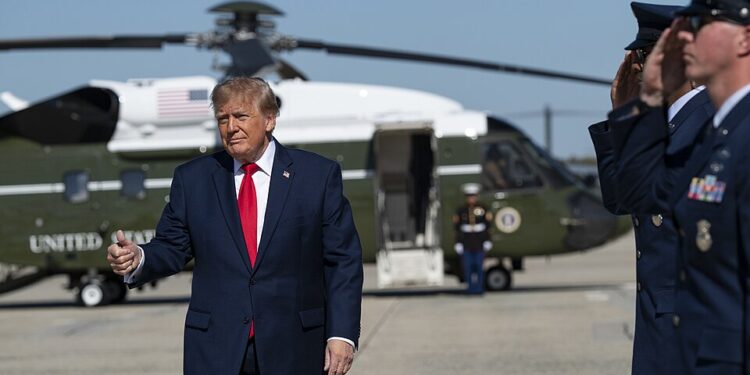
President Donald Trump has frequently criticized Democratic lawmakers over their conduct in Washington, raising questions about political professionalism, respect, and how elected officials should behave when representing the American people.
The debate comes at a particularly important moment following the 2026 midterm elections, which saw Democrats win control of Congress. With significant political disagreements expected between the White House and congressional leadership, questions surrounding civility and cooperation are likely to remain in the national spotlight.
For many Americans, the behavior of elected officials matters just as much as their political positions. Voters expect their representatives to defend their beliefs, challenge opposing policies, and hold government officials accountable. However, disagreements over legislation and national priorities can sometimes become personal, leading to heated exchanges and public confrontations.
Trump has built much of his political identity around confronting political opponents directly. His supporters often view his outspoken communication style as a willingness to challenge Washington’s political establishment. Critics, meanwhile, argue that political leaders across both parties should demonstrate greater restraint and professionalism.
Democrats have also defended their willingness to challenge the president, arguing that forceful opposition is a legitimate part of congressional oversight and political accountability.
These competing perspectives raise an important question about the standards Americans should expect from their elected representatives.
Some voters believe lawmakers should maintain traditional standards of congressional decorum, particularly during public hearings, presidential addresses, and official government proceedings. Others believe passionate disagreement is an unavoidable part of democracy, especially when significant policy differences are involved.
The issue extends beyond either political party. Americans have witnessed increasingly intense political disagreements in recent years, prompting conversations about whether Washington’s political culture has become unnecessarily confrontational.
With President Trump continuing his second term and Democrats preparing to lead Congress, the ability of both sides to conduct government business professionally could influence public confidence in Washington.
Ultimately, Americans must decide whether strong political opposition crosses the line into inappropriate behavior or represents an essential part of democratic debate.